
Serving Houston, Texas | Residential & commercial
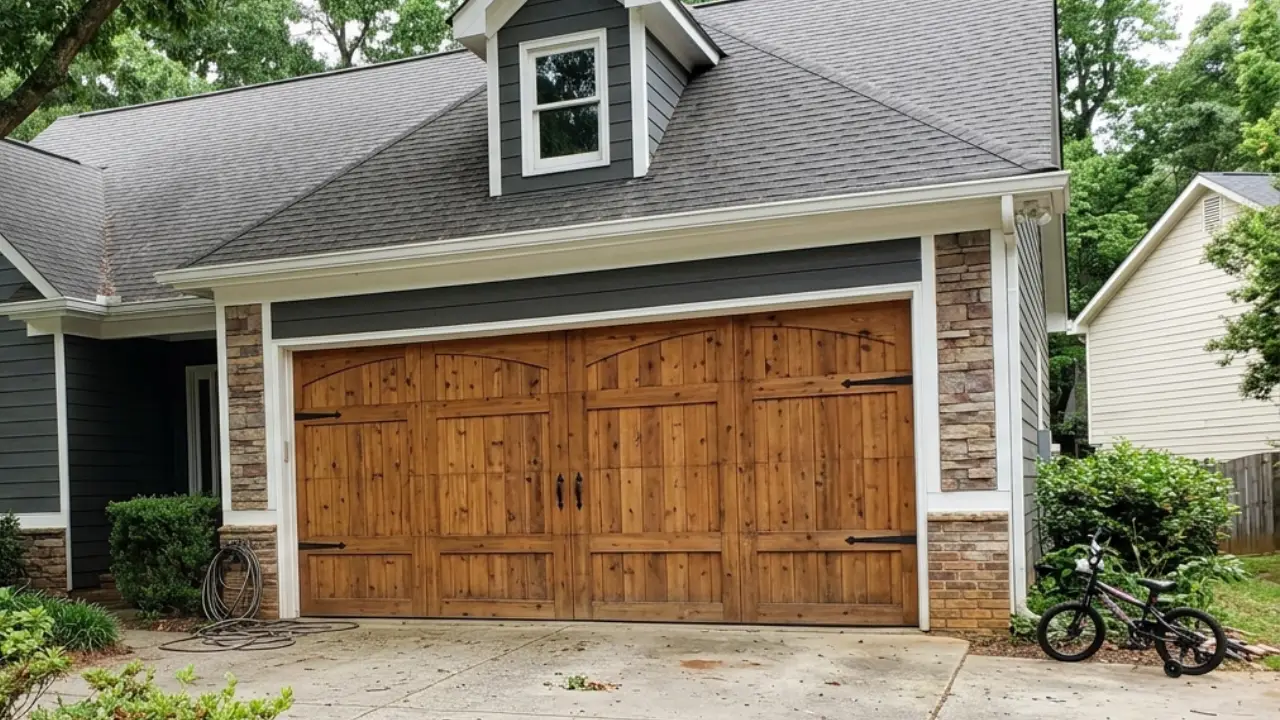
Choosing a Wooden Garage Door Type in Houston involves comparing real wood construction, panel styles, finishes, and upkeep needs. US Garage Door Repair helps Houston, TX homeowners review these choices, check existing door systems, and plan suitable repairs or replacement based on the opening, door condition, and daily use.
The right wooden garage door should suit your house, operate safely, and match the care you can give it. Appearance matters, but door weight, construction, weather exposure, and hardware matter just as much.
At US Garage Door Repair, we help you look beyond a photo. A door that looks good on another house may need different tracks, springs, or support at your home.
Do you want visible wood grain, a painted finish, or a carriage-house look? Starting with those choices helps narrow the options without overlooking practical needs.
Wood garage doors may use wood panels within a frame, layered wood construction, or wood facing over another structural material. Those differences affect weight, movement, repair options, and finish care.
A framed door uses separate rails, stiles, and panels. Layered construction may combine a wood surface with backing materials, while an overlay door adds wood pieces to create a specific pattern.
The product description should explain what is wood and what is not. A wood-look steel door is not a real wood door, even if the grain looks convincing from the driveway.
Ask to review the construction details before choosing. The face material alone does not tell you how heavy the door will be or how its edges need protection.
The panel style should work with your home’s windows, roof shape, and exterior materials. A garage door covers a large part of the front view, so simple choices often work better than competing details.
Raised panels create a familiar, traditional appearance. Recessed panels offer a quieter look, while flush faces and horizontal boards can suit homes with cleaner lines.
Carriage-house styles use panel patterns and optional decorative hardware to suggest older swing-out doors. Many still travel upward on tracks like a standard sectional garage door.
Before choosing, view the pattern across the full door width. A detail that looks balanced on a single-car opening may feel crowded across a wider door.
Wood species influence grain, texture, weight, and finish choices, but construction quality also affects performance. A species name alone is not enough to choose a complete garage door.
Cedar is often chosen for its visible grain and relatively low weight compared with many hardwoods. Redwood, hemlock, and mahogany may also appear in garage door product lines, depending on the supplier.
Some wood surfaces are better suited to paint than a clear or tinted finish. Grain variation, knots, joints, and patched areas may remain visible beneath a translucent coating.
For a wooden garage door in Houston, compare actual finish samples rather than relying only on screen images. Ask which surfaces require sealing and what upkeep instructions apply to that specific product.
Stain keeps more of the wood’s natural appearance visible, while paint creates a more uniform color. Both require suitable surface preparation and a coating system approved for the door material.
A stained door can show differences between boards. If you prefer consistent color across the entire face, paint may be a better match.
Houston sunlight and moisture can wear exterior finishes. Exposure varies by door position, roof coverage, nearby trees, and how often rain reaches the surface.
Think about future touch-ups before choosing a finish. A very dark color may absorb more heat, and some door makers limit which colors are suitable.
Garage door windows can bring daylight into the garage, but they also affect privacy, weight, and panel construction. Their position should support both the appearance and use of the space.
Upper-row windows often admit light while limiting direct views inside. Clear, patterned, or obscured glass options vary by door model.
Do you store tools, bicycles, or other belongings near the front of the garage? Review sightlines from the driveway before choosing clear glass.
Existing wood panels should not be cut for windows without confirming that the change is suitable for that door. Added glass and framing can change the load on the springs and opener, so the full assembly needs review.
Wood garage doors in Houston need protection against moisture changes and strong sun exposure. Wood can expand and contract as conditions change, which may affect joints, finish, and door movement.
Wind-driven rain can wet panel edges and the bottom section. Sprinklers aimed at the door can create repeated moisture exposure even during dry weather.
A shaded door may dry more slowly, while a sun-facing door may show finish wear sooner. A covered driveway helps with some exposure but does not remove the need for regular checks.
A wood garage door needs springs and hardware matched to its actual weight and configuration. The opener moves a properly balanced door. It should not compensate for failing springs or excessive resistance.
Replacing a lighter door with wood may require changes beyond the visible panels. Tracks, rollers, hinges, brackets, and attachment points need review.
An existing opener may or may not be suitable for the new assembly. Its condition, operating limits, and the door maker’s requirements all matter.
Heavy decorative trim also adds weight. Those handles and crossboards may look modest, but the operating system still has to move them every day.
Never adjust spring tension or remove bottom brackets yourself. These components can hold dangerous force even while the door is closed. Review CPSC guidance on garage door spring hazards.
A wood garage door needs attention when damage affects its structure, movement, or ability to keep weather outside. Not every crack calls for replacement, but repeated sticking or visible decay deserves a closer look.
Finish wear often appears before serious wood damage. Catching peeling coatings, open joints, or exposed edges early gives you a chance to address moisture entry.
Does the door scrape after rain or close unevenly? The cause might involve swelling, track problems, spring balance, or more than one issue.
Repair may suit a door with limited damage and a sound supporting structure. Replacement may be more practical when decay, distortion, or failing joints affect several sections.
A damaged trim piece is different from a weakened stile that holds hinges. Surface appearance alone cannot show whether the door can continue carrying operating loads safely.
Matching an older wood panel can also be difficult. Species, grain, profile, and weathering may prevent a replacement piece from blending closely with the rest of the door.
We discuss the condition of the wood alongside the hardware. Replacing rollers will not correct a decayed panel, and refinishing will not restore strength to a damaged joint.
The goal is to address the cause rather than hide the symptom. A fresh coat of paint is useful protection, but it is not structural repair in a can.
Our review connects your style preferences with the condition and dimensions of the garage opening. We also look at the existing system to identify issues that could affect repair or replacement.
Tell us what you notice during normal use. A door that sticks only after rain or makes noise near the floor gives us useful clues.
Product availability and the condition found during inspection can affect the next step. A final selection should follow those checks, not come before them.
A suitable door must fit the opening and have enough room for its tracks and movement. Ceiling obstructions, low headroom, storage racks, and opener placement can limit the available setup.
Side and top seals help reduce wind-blown debris and weather entry. The bottom seal also needs to meet the floor properly, though it cannot solve standing water or major floor irregularities.
Real wood thickness does not tell you the complete thermal performance of a door. If insulation matters, review the specific assembly and available product information.
Is the garage used mainly for parking, or do you spend time working there? That answer helps guide discussions about glazing, insulation, seals, and comfort without expecting the door alone to control indoor conditions.
Scheduling depends on the selected door, material availability, finish work, and the condition of the existing opening. A stocked component repair follows a different path from a replacement wood door made to specific dimensions.
Window choices, unusual panel patterns, and matching trim can add steps. Coating work may also need suitable weather and drying time.
Hidden damage can change the work once an old door or trim is removed. Weak attachment areas need attention before they carry a replacement assembly.
We can discuss the expected sequence after reviewing the job. Avoid scheduling other driveway or garage projects until the work plan is clear.
A clear work area helps us inspect the door and access its operating components. Move vehicles, storage bins, ladders, and loose items away from the opening and track area.
Keep children and pets away during the visit. If you have product documents or finish records, have them ready.
Do not keep testing a door that hangs crooked, has a loose cable, or drops unexpectedly. Leave it alone and call for service.
A damaged door can move without warning. Getting the car out can wait until someone checks whether the door is safe to move.
Regular visual checks help you catch finish damage and operating problems before they spread. Follow the door maker’s care instructions for cleaning, coatings, and hardware lubrication.
Use gentle cleaning methods suitable for the finish. Pressure washing can damage coatings or force water into joints, so avoid it unless the product instructions specifically allow it.
Check more closely after prolonged wet weather or an accidental impact. Small changes matter most when they keep returning.
Do not coat over damp or decayed wood. The moisture source and damaged material need attention before refinishing.
US Garage Door Repair helps you compare wood door options and assess problems with an existing assembly. We focus on the opening, the door’s condition, and how you use your garage.
Your preferred wooden garage door in Houston should fit both your home’s appearance and its operating needs. Bring your style ideas, finish preferences, and questions about upkeep to the discussion.
Whether you are updating a house in Houston, Texas, or dealing with a sticking wood door, start with a practical review. Call (346) 559-3972 or visit our contact page to discuss your garage door needs.
A wooden garage door uses wood as its main exterior material and offers a traditional appearance.
Common styles include carriage-house, raised-panel, and contemporary designs.
US Garage Door Repair provides wooden garage door services. Contact the company to discuss your needs.
Wooden doors generally need routine care to maintain their finish and address signs of wear.
Many wooden garage doors can be painted or stained, depending on the material and existing finish.
Moisture, sunlight, and temperature changes can affect wood and its protective finish over time.
Repair may be possible, depending on the damage and the overall condition of the door.
Many can, but compatibility depends on the door and the opener system.
Insulation varies by construction. Some wooden doors include insulation, while others do not.
Consider your home's style, local climate, maintenance needs, and compatibility with your garage setup.
Welcome to WordPress. This is your first post. Edit or delete it, then start writing!