
Serving Houston, Texas | Residential & commercial
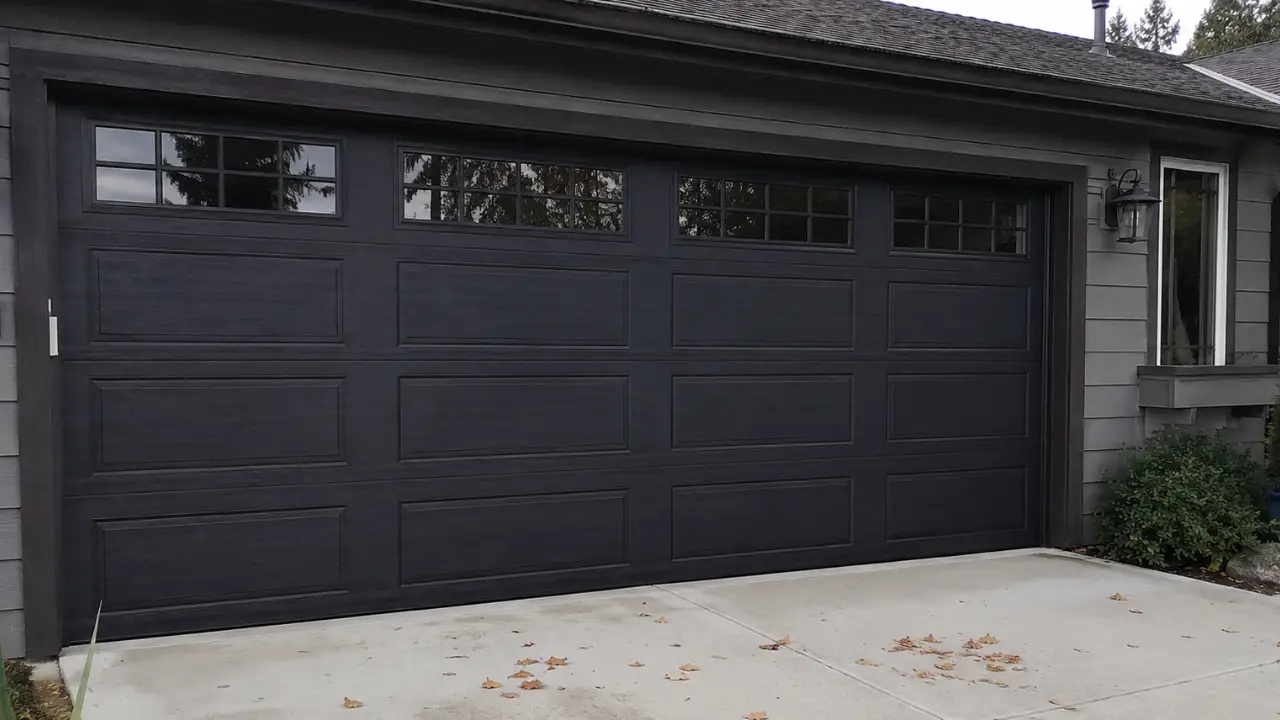
A garage door that fits your opening.
A Custom Sized Garage Door Type In Houston is a door built to fit an opening outside standard dimensions. US Garage Door Repair helps Houston, TX homeowners check measurements, compare materials, and plan compatible tracks and openers. We focus on proper fit, safe operation, and practical choices for everyday use.
An unusual garage opening does not have to limit your choices. Older homes, converted garages, and newer construction can all have dimensions that standard doors cannot accommodate.
The key is looking beyond width and height. Ceiling clearance, wall space, door weight, and the condition of the opening all affect what will work. We help you understand those factors before you commit to a replacement.
Have a garage opening that seems just a little different? Call (346) 559-3972 or visit US Garage Door Repair to discuss your project.
A custom-sized garage door uses dimensions selected for your opening rather than a common stock size. It may need an unusual width, extra height, or another adjustment that depends on the manufacturer’s options.
Custom sizing is different from choosing a special color or window pattern. A standard-size door can have decorative features, while a custom-size door can have a simple, clean appearance.
The door must also work with its supporting components. Tracks, springs, hinges, cables, and the opener must suit the selected door and its installation conditions.
Not every unusual opening needs a custom order. Careful measurements may show that a standard door will fit with appropriate framing or trim work. We explain that distinction so you can make a practical decision.
Your garage may need a custom-size door if standard dimensions cannot provide a proper fit without changing the opening. The strongest clues usually come from measurements and the building itself.
Gaps alone do not prove the door is the wrong size. Worn seals, shifted framing, or damaged sections can create similar symptoms.
Does your door scrape at one corner or leave an uneven bottom gap? We check the cause before suggesting a replacement.
Accurate garage door sizing includes the opening, surrounding clearances, and interior travel space. Measuring only the visible door can miss problems that affect installation.
These measurements help establish what can fit.
Homeowner measurements are useful for an initial discussion, but final ordering needs verified dimensions.
Photos also help show conditions that a tape measure cannot explain.
The garage opening must provide suitable support before a correctly sized door can operate safely. A new door cannot correct loose framing, damaged wood, or a shifting support surface.
We look for visible concerns around track attachment points, jambs, and the header. An uneven floor or an opening that is out of square may also affect fit and sealing.
Houston properties can have framing or foundation movement that changes how an existing door sits. A widening gap should prompt a closer look, not an automatic assumption that the door needs a different size.
If structural concerns are present, those may need attention from another qualified trade before installation. Identifying that work early helps keep the door project organized and prevents ordering around an unresolved problem.
The right door construction depends on the opening, available clearance, appearance, and how you use the garage. Custom dimensions do not make every door configuration suitable.
Sectional overhead doors are common for residential garages because their hinged sections follow tracks overhead. They need adequate room for the track path, spring system, and opener if one is used.
A single-panel door has a different movement path and may swing outward while opening. Rolling doors use another arrangement and may suit certain utility or commercial spaces, depending on the application.
Our Custom Sized Garage Door Type In Houston service starts with those practical differences. We help you compare suitable options rather than selecting a style first and hoping the hardware will fit afterward.
Material choice affects door weight, upkeep, appearance, and insulation options. The best choice is the one that suits both the property and the owner’s routine.
Steel is a common option with several panel styles and insulated constructions. Its finish needs attention if scratches expose the metal beneath.
Wood offers a natural appearance but generally needs more upkeep to protect it from moisture. Its weight must also be considered when selecting springs and operating hardware.
Aluminum and glass configurations can create a clean, modern look. Glass type, visibility, frame construction, and door weight deserve careful review.
Houston humidity makes moisture exposure worth discussing with any material. We help you compare practical differences without treating a finish or material as a cure for every weather concern.
An insulated door can reduce heat transfer through the door, but it cannot control the entire garage environment. Walls, roofing, ventilation, air leaks, and sun exposure also affect comfort.
Do you use your garage for storage, hobbies, or a home workout space? That use can help guide the insulation discussion.
Different door constructions provide different insulation performance. Product comparisons should consider the complete door, not just a single advertised measurement.
Perimeter weatherstripping and the bottom seal also matter. They help reduce drafts, dust, and windblown debris when they fit correctly.
A bottom seal cannot correct a major floor slope or stop floodwater. In Houston, Texas, drainage concerns should be reviewed separately rather than placing that responsibility on the garage door.
A custom-size door can complement your home without sacrificing practical operation. Panel proportions, window placement, and finish should all be considered alongside the measurements.
A wider opening may change how repeated panels look across the front of the garage. A shorter door may limit the number or arrangement of sections.
Windows can bring daylight into a dark garage, but they also affect privacy and weight. Think about whether someone outside could see stored items or the interior entry door.
We help you review options supported by the selected door model and size. Some patterns, finishes, or glass choices may not be offered in every dimension.
Bring a front-facing photo of your home if possible. It makes comparing styles easier than trying to remember every exterior detail.
A custom door needs an operating system matched to its dimensions, weight, and travel path. Reusing existing hardware is not automatically the right choice.
Springs counterbalance the door, while tracks guide its movement. The opener moves a properly balanced door rather than compensating for incorrect springs or binding hardware.
Low ceilings may call for a different track arrangement. A wall-mounted opener may be possible in some garages, but compatibility depends on the door system and surrounding space.
We review these components together before recommending what can stay and what needs replacement. A door that fits the opening still needs enough room to move.
The opener should not have to win a wrestling match every morning. Smooth movement starts with the door and hardware working correctly as a system.
A site visit establishes the opening dimensions, installation conditions, and choices that suit your garage. It also gives you a chance to explain what is not working with the current setup.
We also ask about vehicle height, ceiling storage, and planned garage changes. Those details can affect the recommendation.
If something needs further checking, we explain it before the project moves forward. Clear decisions are more useful than rushed selections.
Custom door scheduling depends on product availability, manufacturing needs, and the condition of the opening. An unusual dimension can require more preparation than replacing a common stock door.
Final measurements and product selections should be settled before ordering. Changes to windows, finishes, or framing can affect the next steps.
Preparation may also involve removing storage, relocating an obstruction, or arranging separate framing or electrical work. We explain which conditions need attention before installation can proceed.
Installation time varies with the door, hardware, access, and removal requirements. Rather than promising a fixed timeline without seeing the garage, we discuss expectations after reviewing the project.
Keep the garage access plan in mind, too. If it is your usual entrance, arrange another way into the house during the work.
A clear garage gives the crew safer access to the opening and overhead work areas. Moving items beforehand also helps protect belongings from accidental contact.
Leave spring, cable, and track removal to the installation technician. Even a door that no longer opens can have components under tension.
If the garage contains large items you cannot move, mention them ahead of time. We can discuss access before the appointment.
Post-installation checks confirm that the door travels correctly and its operating components function together. Fit matters, but movement and safety checks matter just as much.
We also explain normal operation and the features that apply to your setup. You should know how to use the controls and recognize a problem.
A brief walkthrough makes the finished installation easier to live with. Keep the product instructions where you can find them later.
Stop operating the door if it hangs crooked, drops suddenly, or has a loose or broken cable. These conditions can make continued use unsafe.
Loud snapping sounds, a visible spring gap, or a door that feels unusually heavy also call for professional attention. Do not keep pressing the opener button to see whether the problem fixes itself.
Never loosen spring hardware, cable drums, or bottom brackets yourself. These components can hold substantial tension even when the door looks still.
If the door is open and appears unstable, keep people and vehicles away. Do not pull the emergency release on a door that may fall.
Call US Garage Door Repair at (346) 559-3972 to discuss the symptoms. Describe what happened without attempting another operating cycle.
Routine observation and product-specific care help you spot wear before it interrupts daily use. Custom dimensions do not remove the need for basic maintenance.
Watch and listen while the door operates from a safe distance. New scraping, shaking, or uneven travel deserves attention.
Follow the manufacturer’s instructions for cleaning and lubrication. Do not coat tracks with grease unless the product instructions specifically call for it.
Check visible seals for cracking, gaps, or loose sections. After heavy Houston storms, look for debris around the opening and moisture near exposed surfaces.
Keep opener safety sensors clear and test safety functions as directed by the manufacturer. If anything behaves incorrectly, stop using the automatic opener until the issue is checked.
Avoid adding weight through decorations, storage hooks, or extra insulation without reviewing compatibility first.
US Garage Door Repair helps you plan a custom-size garage door around the opening you have and the way you use it. We focus on measurements, component compatibility, and understandable options.
Whether you are replacing an awkward-fitting door or planning an unusual opening, start with a site review. That gives the project a sound basis before materials and appearance are finalized.
For help with a Custom Sized Garage Door Type In Houston, call (346) 559-3972 or contact us to discuss your project. Share your location, approximate opening dimensions, and any clearance concerns so we can discuss the next step.
A custom-sized garage door is made to fit an opening that does not match standard door dimensions.
You might need one for an unusually sized opening, a remodeled garage, or a nonstandard building design.
Yes, US Garage Door Repair provides custom-sized garage door service.
Custom sizing may be available for different door types, depending on the manufacturer and the garage layout.
Material choices depend on the door design, sizing requirements, and available options.
Available designs and finishes may help coordinate the door with your home's appearance.
General considerations include the opening size, available clearance, intended use, and design preferences.
Opener compatibility depends on the door and the existing equipment.
Replacement may be possible, depending on the opening, surrounding structure, and installation requirements.
Like other garage doors, they need routine care based on the manufacturer's guidance and how they are used.
Welcome to WordPress. This is your first post. Edit or delete it, then start writing!