
Serving Houston, Texas | Residential & commercial
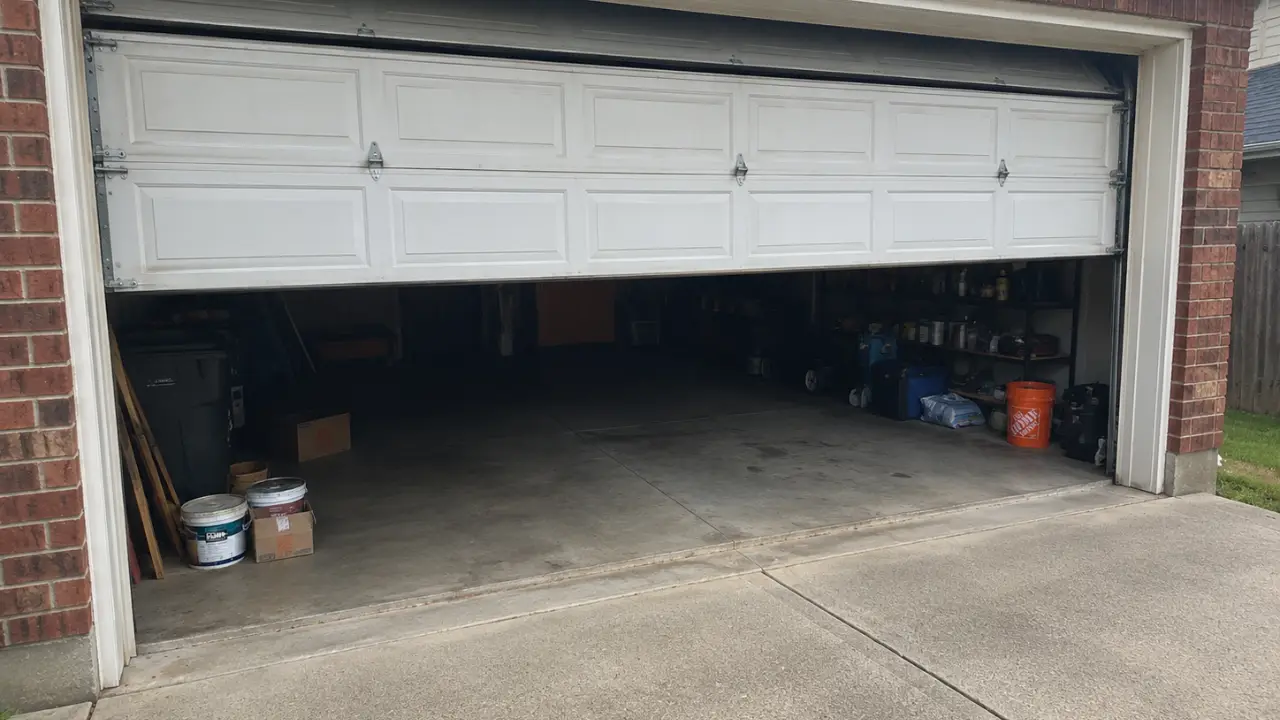
Choosing an overhead garage door type in Houston involves comparing how doors open, what they’re made from, and how they fit your garage. US Garage Door Repair helps Houston, TX, homeowners assess door styles, opening dimensions, insulation, and opener compatibility before deciding on a replacement or new installation.
Your garage door needs to suit more than the front of your house. It also needs room to move, proper support, and hardware matched to its weight. A door that looks right in a photo may not work around your garage’s ceiling, storage racks, or driveway.
Do you use your garage mainly for parking, projects, or storage? That answer helps narrow the options. We can help you compare practical choices without losing sight of how you use the space each day.
An overhead garage door moves upward to clear the opening, but different types follow different paths. The most common residential options include sectional doors, rolling doors, and single-panel tilt-up doors.
Material and appearance are separate choices. Steel describes the material, while carriage-house describes a style. A steel sectional door can have a carriage-house appearance without swinging outward.
This approach makes product descriptions easier to understand. It also helps prevent a style preference from hiding a clearance problem.
A sectional garage door uses hinged horizontal panels that travel along tracks and rest beneath the ceiling. This type works well for many Houston homes because it does not need a wide outward swing.
Sectional doors come in several materials and panel styles. They can also accommodate insulation, windows, and different opener arrangements.
A sectional door needs suitable room above the opening and along the ceiling for its tracks and movement. Lights, attic access, shelves, and pipes can interfere with that space.
Special track arrangements may address some clearance limits.
They still require measurements and compatible hardware, not guesswork.
A rolling door coils above the garage opening instead of extending across the ceiling. This can help where overhead storage or ceiling obstructions make horizontal tracks less practical.
Rolling doors are common in commercial spaces and may also suit certain residential garages or outbuildings. Their appearance, operating method, and mounting needs differ from standard sectional doors.
The coil and supporting hardware need enough room above and beside the opening. Some models also have different insulation and sealing characteristics.
A rolling door is worth discussing if ceiling space is your main concern. Still, it should not be treated as an automatic solution for every tight garage. The opening, structure, and intended use all need review.
A tilt-up garage door opens as a single solid panel rather than several hinged sections. Depending on its mechanism, part of the panel may swing outward during operation.
That outward movement matters on short driveways. A vehicle parked too close can obstruct the door, and people need to stay clear of its travel path.
Older Houston properties may still have this door type. When considering replacement, compare these factors.
Replacing a tilt-up door with a sectional model may change the tracks, spring system, and mounting arrangement. It is not always a simple panel swap.
Carriage-house and modern garage doors often use sectional overhead operation despite looking very different. You can choose an appearance that suits your home without changing how the door opens.
Carriage-house styles may include recessed panels, window grids, and decorative handles. Modern styles often use flush panels, simple lines, or broad glass sections.
Decorative handles do not necessarily indicate that a door swings open. Check the operating method rather than relying on appearance alone.
What should your garage door match, the front entry, window frames, or exterior trim? Bring photos of those features when discussing options. A finish sample can also help because colors often look different outdoors than on a phone screen.
The door material influences its appearance, weight, exposure response, and care needs. Comparing materials is a major part of choosing an overhead garage door type in Houston.
Steel doors offer a broad selection of panel patterns, surface finishes, and insulated constructions. They are a practical option for many residential openings.
Construction varies between models, so material alone does not tell the full story. Review panel thickness, backing, insulation, and reinforcement together.
Scratches and exposed edges deserve attention because damaged finishes can allow corrosion. Dents may also affect appearance or panel movement, depending on their location.
Aluminum-framed glass doors bring daylight into the garage and create a clean, contemporary appearance. Glass options can change privacy, light transmission, and thermal performance.
Consider what someone outside could see after dark with the garage lights on. Also review glass weight, frame construction, and compatible spring and opener requirements.
Wood provides natural grain, while composite products can offer a wood-like appearance with different care requirements. Their weight and construction vary, so compare individual products rather than broad labels.
Wood needs attention to its protective finish, especially around edges and joints. Composite components also need care according to the product instructions.
A usable door recommendation starts with the opening size, surrounding clearances, and condition of the mounting surfaces. Width and height are only part of the measurement process.
For any overhead garage door type, we also consider the space around and behind the opening. An uneven floor or damaged framing may affect fit and sealing.
Existing tracks should not be assumed suitable for a different door. Door sections, tracks, springs, and hardware need to work as a matched system.
Houston’s heat, humidity, heavy rain, and storm exposure make material condition and weather sealing useful comparison points. No garage door should be treated as a flood barrier.
Sun exposure can affect surface temperature and finish wear. Moisture can also collect around damaged seals, exposed steel, or wood with worn coatings.
Wind performance depends on the complete installed assembly, not just the visible panels. Tracks, reinforcement, fasteners, and supporting structure all matter.
Weatherstripping can reduce ordinary drafts and water intrusion at gaps. It cannot correct poor drainage outside the garage.
An insulated garage door can help reduce heat transfer through the door, but it will not turn an unconditioned garage into an air-conditioned room. Walls, roofing, air gaps, and sun exposure still matter.
Insulation is worth discussing for attached garages, work areas, or spaces used throughout the day. Some insulated constructions also provide a more solid feel during operation.
Compare the whole door rather than relying only on an insulation figure. Panel joints, perimeter seals, windows, and installation quality affect performance too.
Adding insulation to an existing door can change its weight. Have the spring balance checked before making that change. The opener should not be asked to compensate for a door that no longer balances properly.
Garage door windows can brighten the space, but their placement and glazing should match your privacy needs. A higher window row may reduce direct views compared with windows near eye height.
Think about what you store inside and when you use the garage. Frosted or textured glass can reduce visibility, though the effect depends on the product and lighting.
If the garage faces strong afternoon sun, discuss that exposure too. Daylight is useful, but turning every project into a squinting contest is less useful.
A garage door opener must be compatible with the door’s size, weight, balance, and operating arrangement. A stronger motor does not fix worn springs or binding tracks.
Ceiling-mounted openers use space above the garage. Wall-mounted models can preserve some ceiling space, but they require a compatible door system and suitable side clearance.
Noise concerns also deserve a closer look. A quiet opener cannot silence damaged rollers, loose hardware, or a door that rubs against its tracks.
Safety sensors and reversal functions need proper setup and testing after installation.
Some operating problems can be addressed through repair, while structural damage or poor fit may support replacement. An inspection helps separate a worn component from a door that no longer suits the garage.
Watch for changes rather than judging by age alone. A door may look dated yet operate properly, while a newer door may have damaged hardware.
Stop operating a door with loose cables, a broken spring, or unstable sections. Keep people and vehicles clear until it has been checked.
US Garage Door Repair helps you compare options by reviewing your garage, current equipment, and daily needs. The goal is a clear choice based on fit and function, not appearance alone.
Have a style in mind? Share it early. We can then discuss whether that look is available in a configuration suited to your opening.
The project schedule depends on product availability, door configuration, and the condition of the garage opening. Timing should be discussed after those details are reviewed.
A standard opening with sound framing may involve fewer steps than an opening needing structural work. Custom dimensions, particular finishes, glass choices, and unusual track arrangements can also affect scheduling.
Before the visit, clear vehicles, bicycles, and stored items away from the opening and track area. Make attic access, outlets, and the opener easy to reach if they need inspection.
Tell us about ceiling storage or planned garage changes. A future storage rack should not compete with the door for the same space.
Regular visual checks can help you spot wear before the door becomes difficult or unsafe to use. Follow the door and opener instructions for care and testing.
Do not loosen spring hardware, cable brackets, or other loaded components. Springs and cables can release dangerous force, even when the door appears still.
US Garage Door Repair can help you choose an overhead garage door type in Houston based on your opening, space, and everyday use. We can discuss sectional, rolling, and tilt-up configurations alongside materials, insulation, windows, and opener compatibility.
You do not need every detail settled before contacting us. Photos of the current door, a description of your concerns, and a few style preferences provide a useful starting point.
Ready to compare practical options for your Houston, Texas, garage? Call (346) 559-3972 or contact us to discuss your door and the next steps.
An overhead garage door opens upward and rests above the garage entrance when open.
Common types include sectional, roll-up, and tilt-up doors, each with a different opening mechanism.
Connected panels move along tracks, allowing the door to rise and rest overhead.
A roll-up door coils above the opening, while a sectional door typically follows tracks into the garage.
A tilt-up door uses a single solid panel that pivots outward and upward to open.
Common materials include steel, aluminum, wood, and composite, with different appearance and upkeep considerations.
Consider the garage layout, available space, preferred appearance, and maintenance needs.
Some overhead garage doors are available with insulation. Suitability depends on the garage and how it is used.
Routine maintenance is generally part of overhead garage door care. Follow the manufacturer’s guidance and leave spring or cable work to a professional.
US Garage Door Repair provides overhead garage door service. Contact the company to discuss your door type and service needs.
Welcome to WordPress. This is your first post. Edit or delete it, then start writing!