
Serving Houston, Texas | Residential & commercial
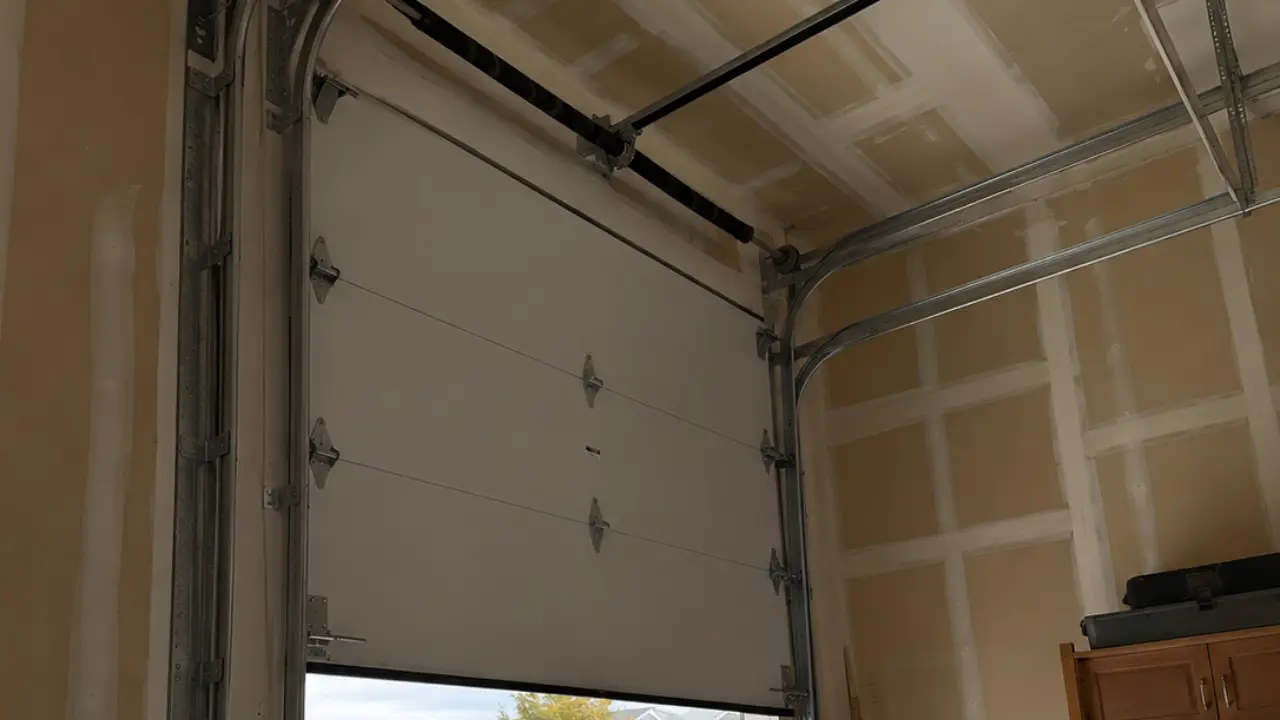
The High Lift Garage Door Type in Houston uses extended vertical tracks to move the door higher before it turns overhead. US Garage Door Repair helps Houston, TX homeowners assess clearance, door condition, track placement, and opener compatibility. We guide the setup around your garage structure and how you use the space.
A high lift garage door travels farther up the wall before following curved tracks into an overhead position. The system changes the door’s travel path, not necessarily its panel style or material.
A standard sectional door usually turns inward shortly above the opening. High lift tracks extend that upward movement, keeping more of the open door closer to a tall ceiling. Proper placement depends on the opening height, available headroom, and surrounding structure.
The High Lift Garage Door Type can suit attached garages, detached garages, workshops, and some commercial spaces. It is most useful where unused height exists above the opening.
Do your current tracks hang well below the ceiling? That gap may offer room for a different setup, but measurements must confirm it. Extra height alone does not prove that a conversion will fit.
High lift tracks can improve clearance inside the garage, but they do not make the entrance taller. A vehicle that cannot pass through the existing opening will still face that limit after a track conversion.
This distinction matters if you own a tall truck, van, or recreational vehicle. Changing the opening itself is a separate structural project and may involve other building work.
The door still needs an unobstructed travel path.
Shelves, lights, and stored items cannot occupy that path, even if they seem safely out of reach.
A high lift system needs enough space above the opening, room beside it, and suitable structural support. Ceiling height is only the starting point for deciding whether the arrangement can work.
Our assessment considers where the tracks, spring shaft, drums, and mounting hardware would sit. We also check the area needed for the door when fully open. A beam or duct can interrupt an otherwise promising layout.
You do not need to climb a ladder to prepare these measurements. Photos taken safely from the floor can help us discuss the space before a site visit.
The best high lift arrangement is the one that leaves room for your actual equipment and daily routines. Choosing track height without checking those needs can create a new obstruction somewhere else.
Are you planning a vehicle lift, a workbench, or overhead storage? Share that plan before the door hardware is selected. A sketch with equipment dimensions can make the discussion more useful.
For a High Lift Garage Door Type in Houston, we consider both the building and the space you want to preserve. That includes the door’s full movement, not just its position when closed.
A garage that serves as a workshop may need clearance above a bench. A vehicle lift requires checks around the raised vehicle, lift posts, and door travel. The ceiling should not become a crowded parking lot for hardware.
Some existing sectional doors can remain in service during a high lift conversion. Their condition, construction, weight, and compatibility must support the proposed track and spring arrangement.
We inspect the sections, hinges, rollers, and other connection points before recommending reuse. Cracked panels, loose hinges, distorted sections, or severe corrosion may make reuse unsuitable. A door that already binds needs attention before its travel path changes.
Changing tracks alone is usually not a complete conversion. The lifting system must match the new geometry, and existing hardware should not be assumed suitable just because it still moves.
High lift doors need counterbalance components selected for the door’s weight and travel path. These components control how the door moves through the extended vertical section and into the overhead tracks.
The springs carry much of the lifting load. The opener moves a properly balanced door rather than compensating for an incorrect spring setup. A struggling motor may point to a door problem, not simply a need for a stronger opener.
Cable drums also affect the lifting behavior. High lift applications commonly use drums intended for that track arrangement, with matching cables and spring specifications.
We check balance and cable movement during setup and testing. Uneven movement, slack cables, or a door that drops require correction before normal operation. Spring and cable adjustments belong with a garage door technician because stored tension can cause serious injury.
A wall-mounted opener is often a practical choice for a high lift door, but it is not suitable for every installation. The door system and the opener manufacturer’s requirements must agree.
This type of opener mounts near the torsion shaft instead of using a long ceiling-mounted drive assembly. That can preserve space above the center of the garage. It still needs adequate mounting room, proper shaft conditions, and an appropriate power connection.
Keeping an existing ceiling-mounted opener may not be practical. If electrical work is needed, we can identify that need so you can arrange it with the appropriate professional.
A high lift door turns overhead after traveling up an extended vertical track section. A full vertical lift door continues upward above the opening without using the same overhead turn.
Full vertical lift requires enough clear wall height to accommodate the raised door and its hardware. Many residential garages do not have that much space. High lift can be a more practical option when extra height is available but limited.
Other garages need standard lift or low headroom hardware instead. A sloped ceiling may call for another track arrangement after a site review.
The right choice follows the building’s dimensions rather than the name of the system. We explain the usable options and the limits of each. There is little benefit in pursuing extra lift if the structure leaves nowhere for the door to go.
Our visit focuses on fit, condition, safety, and your intended use of the garage. We look beyond the empty space above the opening to find issues that could affect installation or operation.
Have you noticed shaking, scraping, or uneven movement? Tell us when it happens and whether it changes with weather or daily use.
Those details can help separate existing wear from layout problems. We also explain whether other work should happen before the garage door project proceeds.
A high lift installation involves more than moving the tracks upward. The door, tracks, supports, counterbalance system, and opener must function together through the full travel cycle.
The work sequence depends on whether we are converting an existing door or installing a replacement. Access, hardware compatibility, and the condition of the mounting structure also affect the process.
We review normal operation with you after the work. That includes safe control use, warning signs, and care instructions for the installed equipment.
The time needed for high lift work depends on the door, required hardware, and condition of the garage. A clear work area helps, but it cannot replace proper fitting and testing.
Some projects involve a usable door and accessible framing. Others need a replacement door, different supports, relocated obstructions, or changes to power access. Hardware availability can also affect scheduling.
Work may need coordination if ducts, electrical fixtures, or storage systems occupy the proposed track path. Those items should not be moved casually to make room for the door.
We discuss known requirements before scheduling installation. If an inspection exposes unsuitable mounting conditions or damaged components, the plan may need revision. Taking time to resolve those issues is safer than forcing the door into an unsuitable arrangement.
Houston’s heat and humidity make ventilation, surface condition, and routine hardware checks useful parts of garage planning. A high lift conversion changes door travel, but it does not resolve every comfort or moisture concern.
Metal hardware can develop corrosion where moisture collects. We check visible tracks, brackets, fasteners, and cables for wear that could affect operation. Water intrusion around the opening deserves separate attention.
If your garage becomes uncomfortable during a Texas summer, discuss the door sections and perimeter seals too. Insulated sections may help moderate heat transfer, but they do not replace proper ventilation or cooling where needed.
Many Houston, TX garages also hold ladders, seasonal storage, and yard equipment. These items need a home outside the moving door’s path. Keep storage clear of tracks, sensors, spring hardware, and service access points.
A vehicle lift and a high lift garage door must be planned together to avoid conflicts. Moving the door upward does not automatically provide enough clearance for a raised vehicle.
Start with the lift manufacturer’s dimensions and operating requirements. Then consider the vehicle’s height in its raised position, the lift posts, and access around the equipment.
Will another person be able to open the garage door while the lift is in use? That possibility belongs in the planning discussion. Do not rely on memory or a note on the wall to prevent a physical collision.
A door with unstable movement should stay out of service until it has been inspected. Repeatedly pressing the opener button can worsen damage or cause the door to move unexpectedly.
Keep people, pets, and vehicles away from the opening. Do not loosen spring hardware, cable attachments, or bottom brackets.
Avoid pulling the emergency release when a door is open or appears unstable. Without proper counterbalance, it may fall. Contact US Garage Door Repair at (346) 559-3972 to discuss the symptoms and arrange service.
You can prepare by clearing access and sharing your plans before the visit. Leave all spring, cable, and track adjustments to the technician.
After service, watch the door during occasional complete opening and closing cycles. Listen for new scraping or popping sounds, and look for uneven travel without touching moving components.
Follow the equipment manufacturer’s care instructions, including lubrication guidance and safety testing. Do not grease the tracks unless the manufacturer specifically calls for it. Report changes early rather than adjusting tension yourself.
US Garage Door Repair helps you decide whether a high lift setup fits your garage and intended use. We focus on usable clearance, compatible hardware, safe operation, and a clear explanation of the work.
If you are considering the High Lift Garage Door Type in Houston, begin with a review of the opening and overhead space. Tell us whether you want room for a vehicle lift, a workshop, storage, or simpler access around equipment.
You do not need to know which springs, drums, or tracks to request. Bring your goals and any available dimensions, and we can discuss the next steps.
Call (346) 559-3972 or visit our Contact page to speak with US Garage Door Repair about your Houston, Texas garage.
A high lift garage door uses a track arrangement that allows the door to travel farther upward before turning toward the ceiling.
The main difference is the track layout, which keeps the open door higher in the garage.
This setup may suit garages where additional overhead space is useful for storage or other activities.
Some existing doors may be suitable for conversion, depending on the door system and garage layout.
Suitability depends on available headroom, structural features, and any overhead obstructions.
Opener compatibility varies, and the existing opener may not suit the revised door configuration.
No. High lift doors eventually turn toward the ceiling, while vertical lift doors remain on a vertical path.
Like other garage doors, they need routine care and attention to wear, alignment, and moving components.
Conversion involves track and spring-system changes, so it is generally a job for a garage door professional.
US Garage Door Repair provides high lift garage door service. Suitability depends on the garage and its existing door system.
Welcome to WordPress. This is your first post. Edit or delete it, then start writing!