Serving Houston, Texas | Residential & commercial
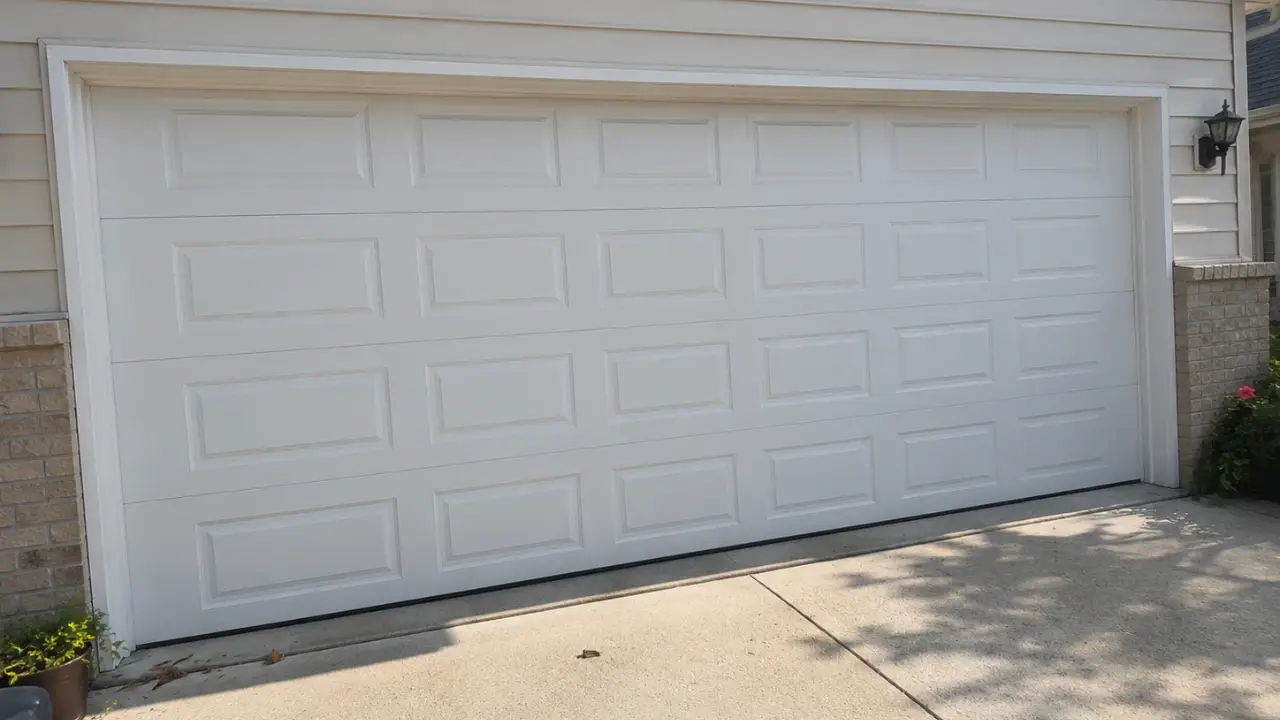
The Raised Panel Garage Door Type in Houston gives homes a classic look through raised rectangular patterns on sectional doors. US Garage Door Repair helps Houston, TX homeowners compare styles, materials, and insulation, assess existing doors, and choose practical installation or repair options based on the opening and daily use.
A raised panel garage door has rectangular sections that project slightly from the surrounding door surface. These repeating shapes add depth without making the door look overly decorative. The style works with many brick, siding, and stucco homes across Houston.
Most residential raised panel doors use horizontal sections connected by hinges. As the door opens, rollers guide those sections along tracks and into the garage. The raised pattern describes the appearance, not the lifting system or material.
Are you replacing a door you already like, or changing the look of your home? That choice helps narrow the options. You can keep a familiar panel pattern while updating insulation, windows, hardware, or operation.
Short panels create more repeating rectangles, while long panels create fewer, wider shapes across the door. Neither pattern is automatically better. The best fit depends on the door width, nearby windows, and the lines of your home.
Short raised panels often suit traditional homes with smaller windows and detailed trim. Long raised panels can look less busy on wide garage openings. Both can work on single-car and double-car doors.
A small sample helps with color, but it cannot show the full pattern.
A wider view makes the choice easier.
The door material influences weight, resistance to dents, cleaning needs, and future upkeep. Steel is a common option for raised panel garage doors. Wood and composite options may also be available, depending on the product line.
Steel doors come in different construction types, including single-layer and insulated models. They can suit homeowners who want a familiar look without regular wood refinishing. Scratches still need attention because exposed steel can corrode.
Wood offers natural grain and a traditional appearance, but it needs consistent finish care. Composite products vary, so ask what each section contains and how its surface should be cleaned. Do not assume every wood-look door uses the same material.
Your garage routine matters here. A door beside a basketball hoop faces different wear than a garage used mainly for storage. The ball rarely checks the door specifications first.
An insulated garage door can reduce heat transfer through the door, but it will not turn an unconditioned garage into cooled living space. Results also depend on wall insulation, ceiling insulation, air leaks, sunlight, and how often the door opens.
In Houston, afternoon sun can make a west-facing garage uncomfortable. Insulated sections may help moderate those temperature swings. They can also feel more solid during operation, though noise depends on rollers, hinges, tracks, and the opener.
Consider insulation more closely if your garage meets any of these conditions.
We can discuss door construction alongside your actual use. A higher insulation rating alone does not tell the whole story about an installed door.
Windows and finishes should support privacy, daylight, and the appearance of your home. A top window row can brighten the garage while keeping most glass above normal eye height. Glass options and insert patterns depend on the chosen door.
Think about what is visible from outside before selecting clear glass. Frosted or textured options may reduce visibility, but privacy varies with lighting and distance. Windows can also affect door weight and thermal performance.
Color deserves a full-size view whenever possible. Compare samples beside your trim, roof, and exterior walls during different daylight conditions. Strong Texas sunlight can make a small indoor sample look different outside.
Check the manufacturer’s instructions before repainting any factory-finished door. Dark paint may not suit every product, and an unsuitable coating can cause surface problems. If neighborhood approval applies, confirm those requirements before ordering.
Heat, humidity, heavy rain, and wind can expose weaknesses in a garage door system. Surface damage may allow corrosion, while worn perimeter seals can let in drafts, dirt, and wind-driven moisture. Weather exposure differs by property.
The bottom seal needs close inspection because it meets the driveway every time the door closes. A split seal or uneven concrete can leave gaps. Replacing the seal may help, but it cannot correct every drainage problem.
Wind resistance is a separate issue from panel appearance. A raised panel pattern does not establish a door’s wind rating. Door construction, reinforcement, tracks, attachment methods, and the opening all affect suitability.
For a replacement in Houston, Texas, ask about products appropriate for your property and applicable requirements. Do not assume that adding braces to an existing door creates a rated system.
A raised panel door needs inspection when damage affects its movement, fit, or structural condition. A shallow dent may be mainly cosmetic. A crease near a hinge or between sections can interfere with normal operation.
Has the sound changed recently? New grinding, popping, or rubbing can point to wear or misalignment. Stop using the door if movement looks unsafe, especially after an impact.
Photos can help explain visible damage before a repair visit. They cannot confirm spring balance, attachment strength, or every hidden issue.
Repair may be practical when damage is limited and the rest of the door remains sound. Replacement may make more sense when several sections are damaged, compatible sections are unavailable, or the system has broader problems.
A replacement section must match more than the raised rectangle pattern. Section height, thickness, joints, hinge positions, and weight all matter. A panel that looks close may still be unsuitable.
Finish matching can also be difficult. Sun exposure and age may change the original color, so a new section may stand out beside older sections. That difference should be discussed before work begins.
At US Garage Door Repair, we focus the discussion on what the door needs to operate properly. Cosmetic concerns and operating faults deserve separate explanations. You should understand which issues affect appearance and which affect safe use.
The right raised panel door fits the opening, matches the home’s appearance, and works with the lifting system. Style is only part of the choice. Measurements and hardware compatibility help prevent problems after installation.
Low ceilings, overhead storage, or unusual framing may limit the track arrangement. An older opener may also need closer review. We explain these concerns before treating a door style as the final choice.
Bring any product photos you like. They help start the conversation, but opening measurements determine what can fit.
A garage door installation involves the sections, tracks, springs, cables, rollers, seals, and operating adjustments. These components must work together. Reusing existing hardware is not automatically appropriate for a new door.
Springs must suit the door’s weight and configuration. The opener moves a properly balanced door. It should not compensate for incorrect springs or binding tracks. Adding insulation or windows can change the weight enough to require a different setup.
The installation process generally includes the following steps.
Before regular use, ask to review basic operation and care. Knowing what normal movement sounds like makes later changes easier to notice.
Scheduling depends on the selected door, product availability, and the condition of the opening. A readily available configuration may be simpler to arrange than an uncommon size or finish. Exact timing should follow the product choice and site review.
Unexpected framing damage can add work before the door goes in. Limited overhead space, damaged tracks, or incompatible opener equipment can also affect the plan. These issues are easier to address before installation day.
If your current door is stuck, explain whether it is open, closed, or partly raised when you call. Also mention visible cable damage or a vehicle trapped inside. Do not force movement to make the opening easier to measure.
We can discuss next steps using those details. A useful schedule accounts for the property and the chosen door, rather than relying on a guess.
A clear garage opening gives the technician room to inspect and work safely. You do not need to empty the entire garage. Focus on the doorway, tracks, opener area, and the path between them.
If the door is unstable or stuck open, leave it alone. Tell us about blocked access rather than trying to move it yourself. Safe access matters more than a perfectly tidy garage.
Springs, cables, and bottom brackets can hold dangerous tension even when the door is closed. Do not loosen them or try to straighten damaged hardware. A raised panel door can be much heavier than it looks.
Stop operation if the door hangs crooked, a cable comes off, or a spring appears broken. Keep people away from the opening and avoid repeated opener attempts. Extra pulling can damage more components.
Do not pull the emergency release while an open door appears damaged or unbalanced. Disconnecting the opener could allow the door to fall. Follow the opener instructions only when the door is in a safe condition.
A door that closes and reverses also needs attention. Check for an obvious object blocking the photo-eyes, but never bypass those sensors. Persistent reversal calls for diagnosis, not repeated button pressing.
Simple cleaning and visual checks can help you notice wear before it disrupts daily use. Follow the door and opener manufacturers’ instructions for cleaning, lubrication, and testing. Different materials and hardware may need different care.
Use this homeowner checklist to help spot changes during routine care.
Avoid coating the tracks with heavy grease. It can collect dirt rather than solve a movement problem. Lubricate only the components identified in the product instructions, using the recommended lubricant.
After a vehicle impact or strong storm, check the door from a safe distance. Visible bending, loose hardware, or uneven movement deserves inspection before continued use.
US Garage Door Repair helps you compare raised panel options with your opening, current equipment, and daily needs in mind. Whether you want to preserve a traditional look or replace a damaged door, the next step starts with clear information.
Tell us what you like about the current door and what is not working. Is the garage too dark? Are sections dented, seals worn, or operation noisy? Those details help keep the discussion useful.
To discuss the Raised Panel Garage Door Type in Houston, call (346) 559-3972 or visit our Contact page. We can review your concerns and discuss the next steps for your Houston, TX home.
A raised panel garage door features panels with elevated sections that create a dimensional appearance.
Raised panel designs are often paired with traditional homes and can also complement other architectural styles.
Common materials include steel, wood, and composite materials, depending on the door model.
Insulated options are available. The choice depends on how the garage is used and the available door styles.
Some models offer window options that can change the door’s appearance and let natural light into the garage.
Raised panel doors come in different panel proportions and layouts, offering a range of traditional looks.
General care includes cleaning and following the manufacturer’s maintenance guidance. Mechanical concerns should be addressed by a garage door professional.
Section replacement may be possible, depending on the door’s condition and the availability of compatible parts.
Many raised panel doors can use an automatic opener, but compatibility depends on the door and opener system.
US Garage Door Repair provides service for raised panel garage doors. Contact the company to discuss your service needs.
Welcome to WordPress. This is your first post. Edit or delete it, then start writing!