Serving Houston, Texas | Residential & commercial
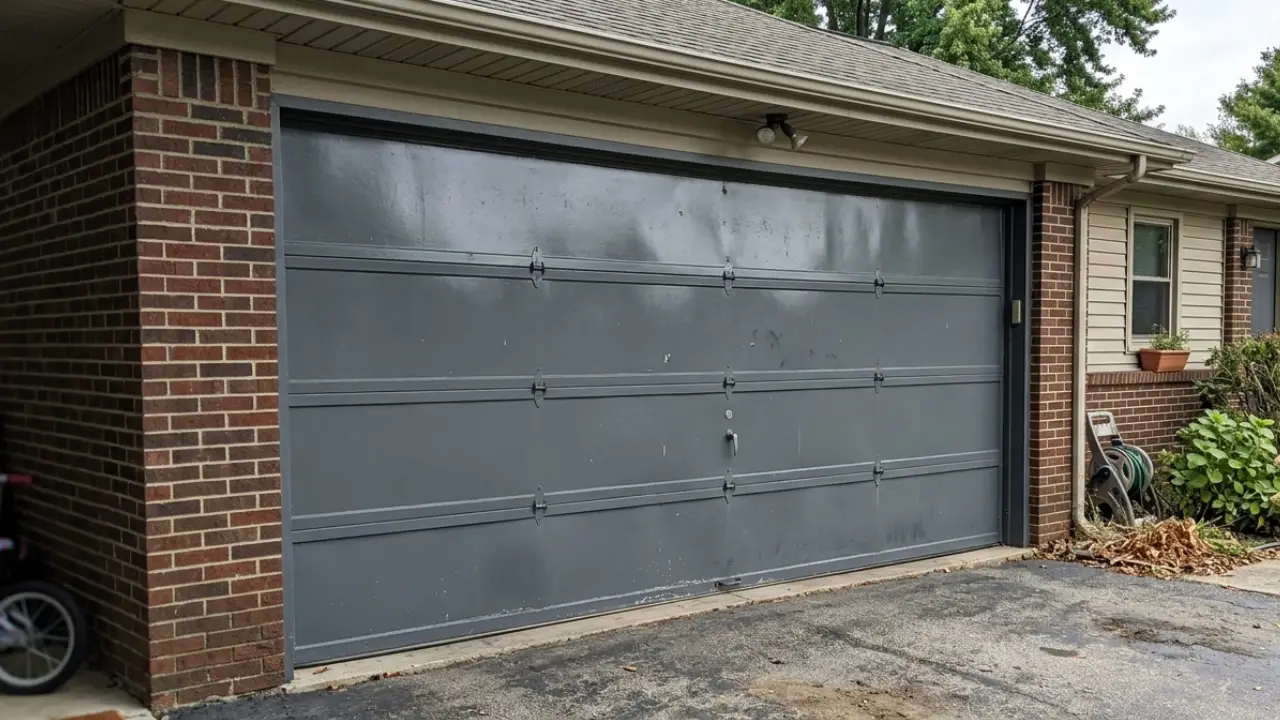
Choosing a steel garage door type in Houston involves comparing construction, insulation, appearance, and safe operation. US Garage Door Repair helps Houston, TX homeowners assess their existing doors, understand steel door options, and plan repairs or replacement. We focus on practical choices that suit your garage, daily use, and home.
The best steel garage door fits your opening, supports your daily routine, and provides the protection your space needs. Appearance matters, but construction and hardware deserve equal attention. A good-looking door should also move smoothly and close correctly.
Is your garage attached to your home? Do you use it only for parking, or does it double as a workshop? Those answers help narrow your insulation, window, and panel choices.
Houston garages face strong sunlight, humid weather, and frequent use. Some also receive wind-driven rain near the bottom seal. We consider these conditions without assuming every home needs the same door.
At US Garage Door Repair, we help you compare the complete door system. That includes the panels, tracks, springs, rollers, seals, and opener compatibility, not just the color visible from the driveway.
Steel garage doors commonly use a single steel skin, insulated panels with exposed backing, or insulation enclosed between steel surfaces. These choices affect rigidity, sound, and thermal performance. Product labels vary, so reviewing the actual construction is more useful than relying on a name.
A single-skin door may suit a detached garage used mainly for parking and storage. It has a simpler panel structure, but it generally offers less resistance to temperature changes than an insulated model.
An insulated door with a steel exterior and protective interior backing adds a thermal barrier. The backing material and insulation attachment vary by product. Check how exposed surfaces will hold up around tools, bicycles, and stored items.
Steel-backed insulated doors enclose the insulation between interior and exterior steel surfaces. Their construction can provide a firmer panel feel and reduce panel vibration. They still need correctly matched springs and hardware to operate properly.
An insulated steel door can slow heat transfer through the garage opening, but it does not cool the garage by itself. Air leaks, roof exposure, walls, and ventilation also affect indoor conditions. A garage door is useful protection, not an air conditioner with hinges.
For a steel garage door type in Houston, insulation deserves closer attention if the garage shares walls with living space. It may also matter if you spend time working inside. The benefit depends on the entire garage, not only the door.
Two common insulation materials are polystyrene and polyurethane. Polystyrene often comes as rigid inserts, while polyurethane is commonly foamed into the door cavity. Compare the specific product rather than assuming all foam-filled doors perform alike.
Higher R-values indicate greater resistance to heat flow under the stated test conditions.
Whole-door U-factor data, when provided, can offer a broader comparison. Lower values indicate less heat transfer.
A steel door’s strength depends on its panel construction, reinforcement, joints, and installation, not just its gauge. Gauge describes steel thickness, with lower gauge numbers generally indicating thicker steel. Compare similar products before treating that number as the deciding factor.
A thicker exterior skin may resist some everyday dents better than a thinner one. Panel shape, interior backing, and reinforcement also influence stiffness. No residential steel door is immune to a vehicle bump or a hard impact.
Think about what happens around your driveway. Are children playing ball nearby? Are trash bins or yard tools regularly moved past the door?
We help homeowners look beyond a single specification. The useful question is whether the complete assembly suits the opening, expected use, and site conditions. Extra weight also requires properly matched springs, so heavier panels should never be treated as a simple swap.
Steel garage doors offer several panel patterns that can suit Houston homes without changing the basic sectional door layout. Raised panels provide a familiar look, while flush panels create a simpler surface. Carriage-style patterns can add detail without requiring doors that swing outward.
Short panels tend to create a more repeating pattern across the opening. Long panels can make a wide door look less busy. Compare full-door images because a small sample does not show the finished proportions.
Color should work with the roof, trim, brick, and siding. Wood-look finishes can offer a wood-inspired appearance while keeping steel construction. Their textures and printed patterns vary, so inspect samples when possible.
Check any neighborhood appearance rules before making a final selection. Confirm the approved color, window pattern, and decorative hardware if your property has review requirements. Doing that early can prevent a change after the door has been ordered.
Garage door windows bring in daylight, but their placement affects privacy, heat exposure, and the door’s overall appearance. Upper windows often admit light while limiting direct views inside. Glass style and door height still influence what someone can see.
Would daylight make your garage easier to use? If so, compare clear, textured, and obscured glazing options where offered. Obscured glass reduces visibility, but it does not always hide silhouettes or stored objects completely.
Windows can affect thermal performance and door weight. Their framing and glazing should be included when reviewing the complete door specifications. Wind-rated assemblies may also require particular window configurations.
We recommend checking the view from both sides of the opening. Consider afternoon sun, nearby walkways, and storage placement before choosing a pattern. Attractive windows should not turn your garage contents into a sidewalk display.
Steel garage doors perform best in Houston’s climate when protective finishes and weather seals remain in good condition. Humidity, repeated wetting, and surface scratches can contribute to corrosion. Homes with greater exposure to salt-laden air may need closer surface checks.
Inspect the lower panel edges and areas around hardware for paint damage or rust. Keep soil, wet leaves, and mulch away from the door. Moisture held against steel can cause trouble even when the broad panel surfaces look fine.
Bottom seals and perimeter weatherstripping help limit drafts, debris, and ordinary rain intrusion. They cannot correct every slab gap or drainage problem. A garage door is not a flood barrier.
Wind resistance requires a separate review. Ask about documented ratings for the full assembly and whether they suit applicable local requirements. Adding a brace alone does not establish a tested rating for an existing door.
A steel door may need repair rather than replacement if its panels remain sound and the problem involves serviceable hardware or seals. Worn rollers, loose fasteners, damaged weatherstripping, and opener issues do not automatically mean the whole door must go.
Panel damage requires a closer look. A shallow dent may be mostly cosmetic, while a crease near a hinge can affect movement. Cracked joints, bent tracks, or a distorted door should receive prompt attention.
Replacement becomes more practical when several sections are damaged, corrosion is widespread, or compatible replacement sections cannot be sourced. Changing construction or insulation may also support replacement. We explain the condition of the existing system before discussing the next step.
Stop using the door if it hangs crooked, drops unexpectedly, or has a loose cable. Do not keep pressing the opener button to see whether it improves. Repeated operation can turn a limited problem into broader damage.
Our assessment checks the door, supporting hardware, and available space before recommending repair or replacement. Accurate measurements matter, but so does the condition of the surrounding frame. A new door cannot correct a weak attachment point by itself.
We also ask about noise, sticking, previous impacts, and changes in operation. Details that seem minor can help explain uneven movement or recurring seal gaps.
This approach keeps the conversation tied to your garage. It also helps separate appearance preferences from mechanical needs.
A steel garage door installation must match the door’s size and weight with the correct supporting components. The spring system counterbalances the door, while the opener moves a properly balanced assembly. The opener should not compensate for weak or incorrect springs.
Existing tracks are not automatically suitable for a replacement door. Section thickness, roller position, track geometry, and manufacturer instructions can require different components. Reusing hardware simply because it fits nearby can create operating problems.
The opener also needs inspection before reuse. Its condition, connection bracket, travel settings, and safety devices all matter. We review compatibility rather than assuming a working motor can handle any replacement door.
After installation, checks should cover balance, smooth travel, fastening, seal contact, and opener safety functions. Binding, scraping, or uneven movement should be addressed before regular use. The finished system needs to work correctly as a whole.
The project schedule depends on product availability, opening conditions, and the amount of related work required. A standard replacement with a suitable frame is different from a project involving damaged supports or limited overhead space. We discuss timing after reviewing the actual scope.
Custom dimensions, selected finishes, windows, and documented wind-rated configurations can affect ordering. Matching an older replacement section can also take extra checking. Avoid arranging the project around an assumed arrival date before the product is confirmed.
Access and weather may influence the workday. A cluttered garage, blocked driveway, or unexpected framing damage can slow progress. Identifying these issues early makes planning easier.
Tell us if the garage is your only practical entry or if a vehicle must remain accessible. We can discuss access needs before work begins. Clear expectations are more useful than a rushed promise about completion.
Preparing the garage gives the service team room to inspect and work safely. You do not need to remove every stored item. Focus on the opening, the tracks, and the area beneath the opener.
Do not loosen brackets or disconnect cables before we arrive. Those components may carry spring tension even when the door appears still.
Routine cleaning and visual checks help you spot wear before it disrupts daily use. Follow the door manufacturer’s care instructions for cleaning, lubrication, and finish protection. Different finishes and components can require different products.
Wash approved surfaces with mild soap and water, then rinse without forcing water into joints or electrical equipment. Check scratches promptly and use the manufacturer’s recommended repair method. Avoid aggressive cleaners that can damage the finish.
Never adjust springs, bottom brackets, or lift cables yourself. If a spring appears broken, leave the door in place and call for spring service.
US Garage Door Repair helps you compare steel door options based on your home, existing equipment, and daily needs. We keep the discussion practical, covering what is working, what needs attention, and which choices suit the opening.
Choosing a steel garage door type in Houston should not require guessing about insulation, panel strength, or hardware compatibility. Bring your questions about heat, noise, appearance, or an aging door. We can assess the system and explain the factors that matter for your Houston, Texas property.
Ready to discuss a repair or replacement? Call (346) 559-3972 or visit US Garage Door Repair to talk about your steel garage door and plan the next step.
A steel garage door is a door made primarily from steel panels, with styles available for different garage designs.
Common options include single-layer, insulated, and multilayer steel garage doors.
Yes, steel garage doors are available in insulated and non-insulated versions.
Steel garage doors come in traditional, carriage-house, and contemporary styles.
Some steel garage door designs include windows, depending on the model and available options.
Steel garage doors need routine care, such as cleaning and attention to hardware, following the manufacturer's guidance.
Rust can develop, particularly where the protective finish is damaged or the door is exposed to moisture.
Repair options depend on the damage and the door's condition. US Garage Door Repair provides steel garage door repair services.
Many steel garage doors can be painted, but the manufacturer's instructions should guide preparation and paint selection.
Consider the door's style, insulation options, maintenance needs, and compatibility with your garage.
Welcome to WordPress. This is your first post. Edit or delete it, then start writing!