Serving Houston, Texas | Residential & commercial
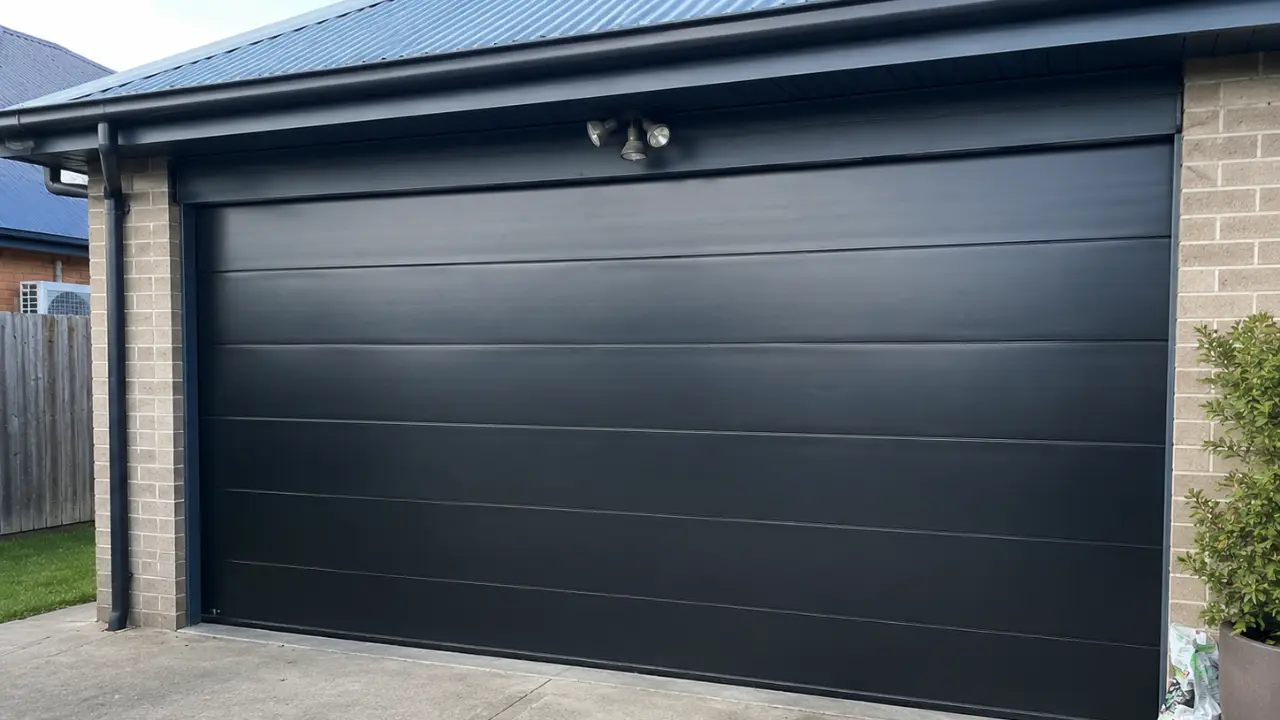
Long panels give your garage door a wider, cleaner look.
The Long Panel Garage Door Type in Houston uses elongated rectangular patterns to give sectional doors a broad, balanced appearance. At US Garage Door Repair, we help Houston, TX, homeowners compare panel styles, materials, insulation, and opening requirements, then discuss installation, replacement, or repair based on the door’s condition.
A long panel garage door has wider rectangular patterns than a short panel door. These patterns sit within the horizontal sections that move along the tracks as the door opens.
The word “panel” can cause some confusion. A decorative panel is the stamped or shaped pattern you see, while a door section is the full horizontal piece. Replacing a damaged section is different from changing its decorative appearance.
Long panels often suit wider garage openings because they create fewer visual breaks. They can also work on single-car doors, depending on the pattern and proportions.
Do you want a traditional look without a busy front surface? Raised long panels offer depth and definition, while recessed versions give the door a quieter appearance. The right design choice depends on your home, not just a catalog photo.
The best long panel door fits your opening, daily use, and home’s exterior. Appearance matters, but the door also needs suitable hardware, clearance, and protection from local weather.
Houston homes range from older properties with compact garages to newer houses with wide double doors. Two openings that look similar from the driveway may have different framing, track space, or ceiling obstacles.
Use this checklist to set your priorities before choosing a door.
At US Garage Door Repair, we use these details to guide the discussion. A good-looking door should work with your garage, not turn each morning into a wrestling match.
The door’s material affects how it handles daily use and what care it needs. Long panel patterns are common on steel doors, while other options depend on the manufacturer and product line.
Steel offers a broad selection of finishes and panel patterns. Its protective coating needs attention around scratches, exposed edges, and areas where moisture collects.
Wood can provide a natural appearance, but it needs regular finish care. Houston humidity and repeated wetting make exposed edges and joints worth watching.
Composite or wood-look options may suit homeowners who want a wood-style appearance with different upkeep needs. Construction varies, so compare the actual product rather than relying on its label.
We can discuss these differences alongside door weight and hardware requirements. A heavier replacement may need different springs, and the existing opener should not be assumed suitable without checking.
Raised and recessed long panels create different shadows and visual depth. Windows add another design choice, changing both the outside appearance and the amount of daylight inside.
Raised panels often pair well with traditional brick homes. Recessed panels can suit a simpler exterior, though the exact profile and finish make a noticeable difference.
Window placement deserves more thought than picking a decorative insert. Consider what someone could see from the driveway, sidewalk, or street.
Would daylight help you find tools without switching on every garage light? Windows may help, but they also affect heat transfer, weight, and product specifications.
An insulated garage door slows heat transfer through the door, but it does not cool the garage by itself. Its value depends on the garage’s construction, sun exposure, ventilation, and use.
For an attached garage in Houston, insulation may help reduce temperature swings. Gaps around the opening, an uninsulated ceiling, or frequent door use can limit that benefit.
Compare more than a single insulation rating. Ask about the complete door assembly, section joints, backing, and perimeter seals.
Insulated construction can also change the sound and feel of operation. Still, rattling may come from worn rollers, loose hardware, or poor adjustment rather than the door skin.
We look at comfort concerns alongside mechanical condition. Replacing the door alone may not solve every heat or noise problem, and we explain those limits before you choose.
Houston heat, humidity, heavy rain, and storm exposure affect garage door selection and care. Panel shape alone does not establish a door’s strength or suitability for a particular property.
Wind performance depends on the complete door system, including its construction, reinforcement, tracks, and attachment. Applicable requirements should be checked for the location and planned work before a replacement is selected.
Moisture protection matters during ordinary weather, too. Worn bottom seals and damaged side seals can let wind-driven rain, dust, and pests reach the garage.
A bottom seal is not a flood barrier. If water pools against the opening, drainage or driveway conditions may need separate attention.
For properties nearer the coast, salt exposure may also influence finish care and hardware checks. We discuss the conditions at your Texas home rather than treating every garage opening the same way.
A proper fit requires opening dimensions plus space for tracks, springs, and door travel. Measuring only the visible opening can miss problems that affect installation.
Headroom is the space above the opening. Sideroom is the space beside it, and backroom is the distance available into the garage.
Older Houston garages may have framing changes or openings that are no longer square.
Those conditions do not automatically rule out a long panel door, but they should be addressed before ordering.
Visible damage, uneven movement, and new operating noises are reasons to have the door checked. A long panel door can have surface damage, mechanical trouble, or both.
A shallow dent may mainly affect appearance. A bent section near a hinge or track connection can interfere with movement and place stress on nearby components.
Has the door become louder over the past few weeks? Do not assume the opener is the cause. Springs, rollers, hinges, tracks, and section alignment all affect how the system moves.
Repair may be practical when damage is limited and the rest of the door remains sound. Replacement may make more sense when several sections are compromised or compatible components cannot be sourced.
A replacement section must match more than the long panel pattern. Dimensions, joint shape, thickness, hinge locations, and weight all matter.
Even a compatible section may look different from an older door. Sun exposure and normal weathering can change the existing finish over time.
At US Garage Door Repair, we assess the door before discussing a direction. We consider structural condition, operation, component compatibility, and the appearance you want.
We also separate cosmetic concerns from safety concerns. A dent does not always call for a whole new door, while a small-looking crack near a hardware connection may deserve prompt attention.
A useful assessment connects your goals with the door’s actual condition and garage layout. We start with what you have noticed, then review the opening and operating system.
The process generally follows these steps.
Tell us about past impacts, recurring leaks, or earlier changes to the garage. Even a minor vehicle bump can affect section alignment without leaving a dramatic dent.
Photos can help begin the conversation, especially for style discussions. Final decisions may still need an on-site inspection and measurements.
A replacement door must work with compatible tracks, springs, cables, and operating hardware. Reusing existing components is not automatically appropriate, even if the new door looks similar.
Door weight can change with insulation, glazing, material, and construction. Springs must suit that weight so the door stays properly balanced.
Installation generally includes these steps.
The opener moves a balanced door. It should not compensate for a spring problem. After installation, operating checks help identify binding, unusual movement, or adjustments that still need attention.
The time needed depends on the selected product, material availability, and preparation at the garage. A straightforward replacement differs from work involving framing damage or restricted track space.
Window choices, finishes, and less common dimensions may affect product lead time. Matching an older section can also take longer than selecting a complete current model.
Conditions found during inspection may change the work plan. Damaged framing, unsuitable attachment points, or opener compatibility issues should be addressed rather than worked around.
We discuss the likely sequence once the door and scope are understood. If your existing door cannot close safely, mention that when you call so the immediate operating concern is clear.
Planning ahead also helps you arrange vehicle access. The garage opening needs to stay clear while the door is being removed or installed.
Clear access around the opening and tracks helps the visit proceed safely. You do not need to dismantle anything or test a damaged door before we arrive for service.
Use this preparation checklist.
If the door is stuck open, crooked, or unstable, leave it alone. Let us know its position and whether anyone needs another route into the home.
Photos of the exterior and interior can support an initial discussion. Take them from a safe distance without standing beneath a damaged door.
A crooked door, loose cable, broken spring, or section leaving the tracks needs professional attention. Continued operation can worsen damage or allow the door to move unexpectedly.
Garage door springs and cables carry substantial tension. Do not loosen spring hardware, cable drums, or bottom brackets.
Avoid pulling the emergency release if the door is open and may be unsupported. A door with a failed counterbalance system can drop when disconnected from the opener.
Keep people away from the opening and call for guidance. If safe operation is uncertain, do not keep pressing the wall button to see whether the problem disappears.
Long panels describe the door’s appearance, not a different safety system. The same precautions apply to other sectional garage door styles.
Regular visual checks and manufacturer-recommended care help you spot wear before it becomes disruptive. Focus on the finish, seals, moving components, and changes in operation.
Use mild soap and water for routine surface cleaning when permitted by the product instructions. Rinse gently, and avoid abrasive tools or strong cleaners that could damage the finish.
Do not adjust springs or cable hardware during routine care. A visual check is useful. Turning it into a tension-hardware project is not.
US Garage Door Repair helps you compare long panel options based on fit, appearance, condition, and daily use. We keep the discussion practical so you understand what needs checking before moving forward.
You may want a new look, better insulation, windows, or help with a damaged section. Tell us what you like about the current door and what you would change.
Have the approximate opening size, a few photos, and any known operating concerns ready if possible. These details help us begin, while an inspection confirms measurements and mechanical needs.
For long panel garage door service in Houston, TX, call (346) 559-3972 or contact us. We can discuss your door and the next step for your garage.
A long panel garage door features elongated rectangular panels that create a broad, horizontal pattern.
Long panel doors have wider panel designs, while short panel doors use smaller, more closely spaced panels.
Long panel designs can complement various home styles, depending on the door’s overall appearance and finish.
Materials vary by manufacturer and model. The panel style describes the door’s appearance rather than its material.
Some models offer windows. Available designs depend on the door selected.
Some long panel garage doors offer insulation options, depending on the model.
General care includes cleaning and following the manufacturer’s maintenance guidance. Mechanical concerns should be handled by a garage door professional.
Repair options depend on the damage, the door’s condition, and the availability of compatible parts.
Consider the panel design, material, finish, window options, and compatibility with your garage.
Yes, US Garage Door Repair provides service for long panel garage doors. Contact the company to discuss your needs.
Welcome to WordPress. This is your first post. Edit or delete it, then start writing!