Serving Houston, Texas | Residential & commercial
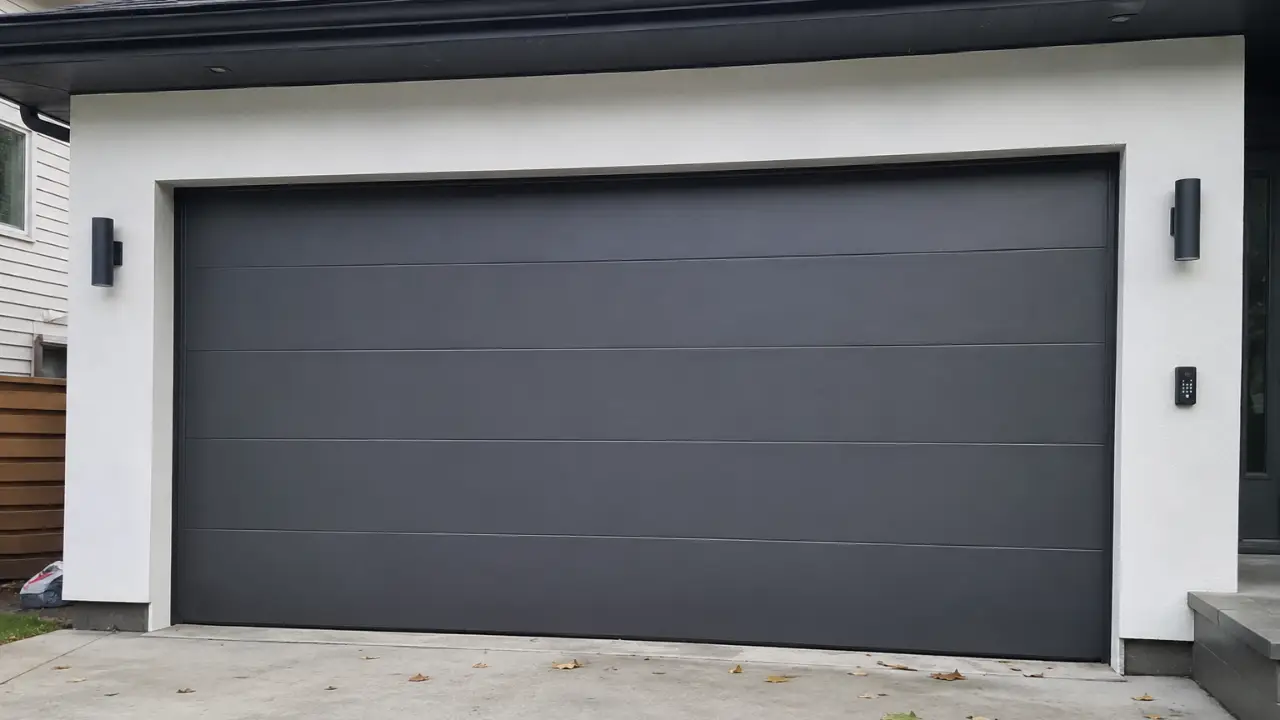
The Flush Panel Garage Door Type in Houston uses flat exterior sections for a clean, modern appearance. US Garage Door Repair helps Houston, TX homeowners compare materials, insulation, window choices, and operating needs. We help you choose a suitable door and address installation, replacement, or repair needs.
A garage door covers a large portion of many home fronts. Changing its panel style can make the whole exterior feel less busy without changing the roof, siding, or entryway.
Flat panels suit many contemporary homes, but they can also work with brick ranch houses and updated traditional homes. The right finish, window placement, and proportions help the door belong with the house rather than compete with it.
A flush panel garage door has exterior sections without the raised rectangles or recessed patterns found on many other doors. Its appearance comes from broad, simple surfaces rather than decorative panel shapes.
“Flush” describes the face of the door, not its opening method. Most residential options use horizontal sections that travel along tracks and curve overhead. Section joints remain visible, so a flush door is not necessarily a single, unbroken sheet.
Surface texture also varies by product. Some doors have a smooth finish, while others use subtle woodgrain texture over a flat panel face.
Are you picturing a smooth painted surface or a wood-look finish? That choice helps narrow the selection before you compare insulation and hardware. We help separate appearance choices from operating requirements so neither gets overlooked.
The Flush Panel Garage Door Type works best when its appearance, construction, and daily use all suit the property. A good-looking door still needs proper clearance, suitable hardware, and dependable movement.
Think about how your household uses the garage. A garage used mainly for parking has different comfort needs from a space used for laundry, storage, or weekend projects.
Consider these points before choosing a model.
We use these details to guide the discussion. Choosing only from a photo can leave practical problems outside the frame.
Material choice changes how a flush panel door looks, handles everyday contact, and responds to Houston weather. Steel, aluminum, and wood-based options have different strengths and care needs.
Steel is a common choice for residential sectional doors. It accepts many finishes and can be paired with insulation and an interior backing. Damage to the protective finish should receive attention because exposed steel can corrode.
Aluminum can provide a lighter door structure and does not rust like steel. It can still corrode under some conditions, and resistance to dents depends on the product’s construction.
Wood offers a natural appearance but needs more attention to moisture and finish condition. Not every material comes in every size or flush style. We help compare suitable products rather than treating all flat-faced doors as interchangeable.
Houston weather makes finish condition, bottom seals, drainage, and insulation useful points to review. A door that looks right should also suit its exposure to heat and moisture.
An insulated garage door can slow heat transfer through the door itself. It does not make an unconditioned garage cool on its own. Roof exposure, air leaks, wall insulation, and ventilation also affect indoor comfort.
Dark finishes can absorb more solar heat than lighter finishes. Before choosing a dark color, check the manufacturer’s guidance for that door and its exposure.
For homes with added wind exposure, the door assembly needs careful selection. We can discuss product documentation and any applicable wind-load requirements for the property. Door strength involves more than the visible panels. Tracks, brackets, reinforcement, and attachment points also matter.
Color, texture, and glass placement determine whether a flush door feels subtle or becomes a focal point. These design choices should work with the house from the street and from inside the garage.
A light neutral finish can blend with trim and soften the door’s visual size. A darker finish can create contrast, though sun exposure and product instructions deserve attention.
Windows can bring daylight into a garage that otherwise depends on electric lighting. Placement affects privacy, and obscure glass does not always prevent silhouettes or nighttime visibility.
Do you want daylight without a clear view of stored belongings? Compare glass options and window positions before choosing.
Ask to see finish samples when possible. Photos can shift colors, and a small sample viewed indoors may look different beside your brick in Houston sunlight.
An insulated door can offer a different feel and sound from an uninsulated door, but construction varies between models. Compare the complete door rather than judging by thickness alone.
Some doors have exposed insulation on the interior. Others use an interior skin that covers the insulation and creates a more finished garage-side surface.
If a bedroom sits above the garage, ask about both insulation and operating noise. Rollers, hinges, opener vibration, and door balance can contribute to sound. Insulation alone will not correct a worn roller or loose bracket.
We look at the door as an operating system, not just a collection of flat panels.
Accurate measurements establish the opening size and the space needed for tracks, springs, and an opener. A door can match the opening dimensions yet still need a different track arrangement.
Headroom above the opening matters. So do side clearance and the distance available inside the garage for the open door and operating equipment.
A sloped or uneven floor can leave gaps beneath a closed door. A thicker bottom seal may help certain gaps, but it cannot correct every floor or opening problem.
US Garage Door Repair reviews the opening, current equipment, and your goals before discussing suitable work. This helps identify fit or operating concerns before a new door is selected.
We want to know what bothers you about the current door. Is it noisy, dented, hard to operate, or simply the wrong style for the house?
You should understand what is changing and why. Plain explanations are more useful than a pile of product names, especially when several doors look similar from the curb.
A flush panel door does not always need complete replacement because of a dent, worn seal, or noisy operation. The right repair approach depends on damage, compatibility, and the condition of the full system.
A replacement section may be an option if the manufacturer and matching product can be identified. Matching an older finish can be difficult because sunlight and age change its appearance.
Flat surfaces can make dents easy to notice, especially in side lighting. A cosmetic repair also may not restore the original factory finish.
Replacement deserves discussion when several sections are damaged, attachment areas are weakened, or suitable matching sections cannot be found. Problems with springs, cables, rollers, or an opener should be assessed separately. A new door face will not solve every operating problem hiding behind it.
A new flush panel door needs hardware that suits its size, weight, and construction. Existing tracks, springs, or opener equipment should not be assumed suitable simply because they are already there.
Springs must match the door’s operating requirements. An opener moves a properly balanced door. It should not compensate for an incorrect spring setup.
Installation timing depends on product readiness and site conditions. Damaged framing, unusual clearance, or incompatible equipment can add work. We discuss known concerns before moving ahead rather than promising a universal completion time.
Grinding, scraping, or uneven movement can come from hardware or alignment problems rather than the flush panel style. A clean exterior does not tell the full mechanical story.
Worn rollers, loose hinges, damaged tracks, and poor balance can all affect operation. Opener settings or worn drive components may also contribute.
Does the door hesitate at the same spot each time? Mention that during your service request, along with any recent impact or sudden change in sound.
Do not keep operating a door that jerks, tilts, or strains heavily. Repeated use can worsen damage. We check the likely source before recommending a repair. Your opener should move the door, not audition for a weightlifting team.
A crooked, partly fallen, or cable-damaged garage door needs professional attention before further use. Keep people, pets, and vehicles away from the opening.
Springs and cables carry substantial tension. Bottom brackets can also be connected to loaded cables, making casual adjustments dangerous.
Do not pull the emergency release on a raised door that may have a spring or cable failure. The door could fall. Avoid adjusting spring hardware, cable drums, or bottom brackets yourself, even if a fastener looks easy to reach.
Clear access allows a more useful inspection and gives room to handle door sections and equipment. You do not need to empty the entire garage.
Move vehicles out before the visit only if the door operates safely. If the door is stuck or unstable, leave it alone and explain the situation when you call.
Use this short preparation checklist.
Tell us about ceiling racks, attic access, or unusual wiring near the equipment. Those details help prevent surprises during the work.
Basic cleaning and visual checks help you notice wear before it disrupts daily use. Follow the door manufacturer’s care instructions because finishes and hardware have different needs.
Wash the exterior with approved mild soap and water, then rinse gently. Avoid abrasive pads and harsh cleaners that can damage the finish.
Do not grease the track channels unless the product instructions specifically call for it. If the door develops a new sound or uneven movement, arrange an inspection instead of trying repeated opener adjustments.
US Garage Door Repair helps you compare the Flush Panel Garage Door Type in Houston with your home’s appearance, opening, and daily needs. Our approach connects the style you want with the equipment required to operate it properly.
Whether you are replacing a worn door or updating your home’s exterior, start with a clear review of the existing setup. Materials, insulation, finish, windows, and hardware each deserve attention.
For help with the Flush Panel Garage Door Type in Houston, call (346) 559-3972 or contact us. Tell us about your current door and what you want to change. We can discuss the next steps for your Houston, Texas home.
A flush panel garage door has a flat exterior surface without raised or recessed panel designs.
Their simple appearance can complement modern, contemporary, and other understated home designs.
Yes, US Garage Door Repair provides service for flush panel garage doors.
Materials vary by manufacturer and may include steel, wood, or composite options.
Insulated options are available, depending on the door model and manufacturer.
Some models offer window options, while others feature a fully solid exterior.
Color and finish choices depend on the manufacturer and the selected door model.
General care includes surface cleaning and following the manufacturer’s maintenance guidance.
Compatibility depends on the door and opener. A technician can help assess whether they are suitable for use together.
Repair options depend on the damage, the door’s condition, and the availability of compatible parts.
Welcome to WordPress. This is your first post. Edit or delete it, then start writing!