Serving Houston, Texas | Residential & commercial
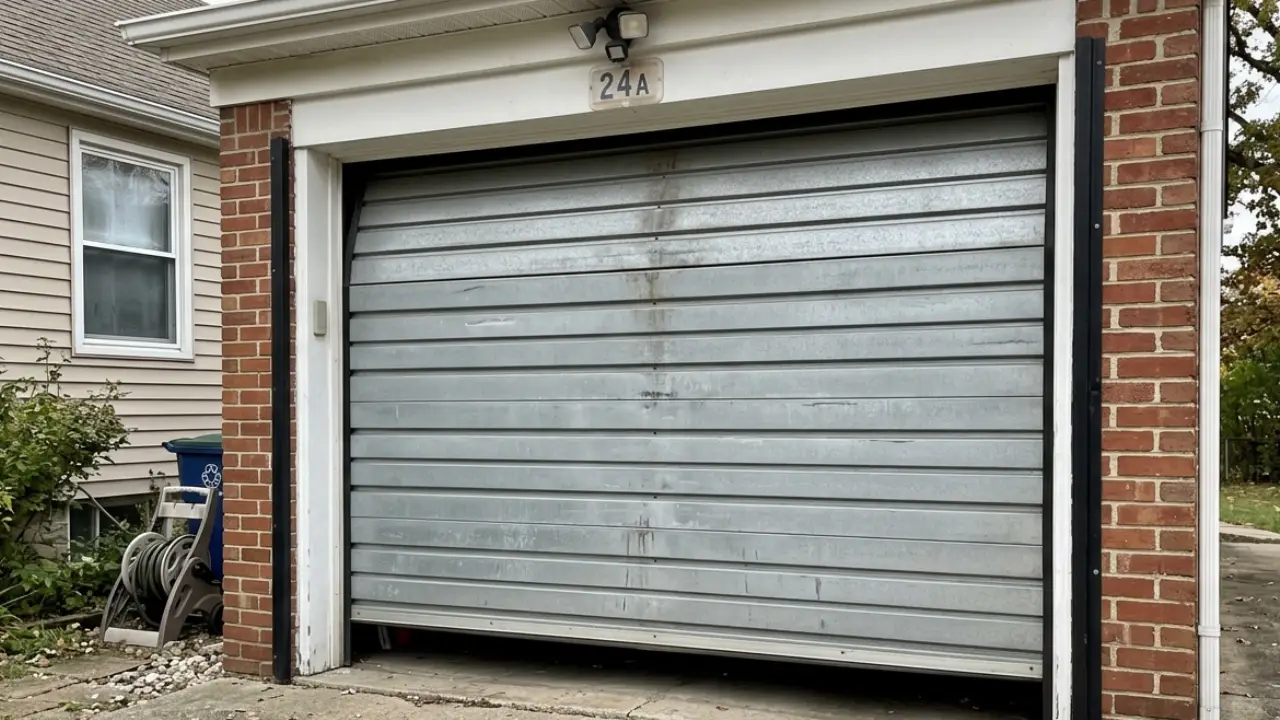
A roll-up garage door type in Houston uses a curtain that coils above the opening instead of sliding along ceiling tracks. US Garage Door Repair helps Houston, TX, property owners address operating problems, assess replacement needs, and choose suitable door options. We focus on safe movement, proper fit, and practical access.
A roll-up garage door opens by wrapping its curtain around a barrel above the doorway. Vertical guides hold the curtain along each side, while a spring assembly helps support its weight. Some doors operate manually, while others use a motor.
This setup leaves much of the ceiling area open. It can work well for storage buildings, workshops, service bays, and some residential garages where overhead tracks would interfere with storage or equipment.
People sometimes call any overhead garage door a roll-up door. A sectional door is different. Its hinged panels travel along tracks rather than coil around a barrel. Knowing which system you have helps us discuss the right service.
Not sure which door you own? A photo of the full opening and the area above it can help clarify the difference before your visit.
Roll-up doors suit openings where clear overhead space and durable daily access matter. The right choice depends on how you use the building, what passes through the opening, and how often the door runs.
Around Houston, Texas, these doors may serve detached garages, storage rooms, vehicle service areas, and commercial workspaces. A lightly used storage door has different needs from a shop entrance that opens repeatedly throughout the day.
Does your current door match how you use the building now? A change in use can make an older setup less practical.
The best roll-up garage door type in Houston depends on opening size, use frequency, building exposure, and operating needs. Curtain construction matters because not every rolling door handles the same workload.
Light-duty sheet doors commonly serve storage spaces and smaller openings. Rolling steel doors use interlocking slats and may suit larger or more frequently used entrances. The correct model still depends on its published specifications.
Insulated options can reduce heat transfer through the curtain compared with an uninsulated option of similar construction. They do not eliminate heat entering through gaps, walls, roofs, or an open doorway.
We help connect these choices to your actual use rather than treating every opening alike.
A roll-up door needs attention when its movement, sound, or closing position changes. Catching a small problem early can reduce added stress on the curtain, guides, and operating equipment.
Has the door started needing a second try every morning? That is a reason to inspect it, not a new operating routine.
Stop using a door that drops, hangs at an angle, or moves unpredictably. Keep people and vehicles away until the cause can be checked.
Sticking often comes from guide damage, curtain distortion, debris, or a problem in the counterbalance system. The visible symptom does not always identify the source.
A bent guide can squeeze the curtain as it passes. Damaged slats can catch during coiling, while loose mounting hardware may let components shift under load. A worn spring assembly can make a previously manageable door difficult to lift.
Houston weather can also contribute to wear. Moisture can encourage corrosion, and windblown grit can collect near the opening. Water intrusion or repeated contact with equipment may worsen existing damage.
Simply increasing motor force is not a sound fix for a binding door. We look for the source of resistance before considering operating adjustments.
The door should not need a running start or a pep talk. Smooth, controlled movement is the goal.
Our service visit starts with a discussion of the problem and an inspection of the door system. We use your observations to guide the check, then explain what we find.
The process generally follows these steps.
Some problems cannot be assessed safely while the door is moving. If the curtain is unstable or badly damaged, securing the area comes before operation.
You can help by describing sounds, timing, and recent impacts without trying to reproduce an unsafe failure.
Roll-up door repairs should address both the damaged component and the cause of its failure. Replacing a bent piece without checking alignment can leave the original problem unresolved.
Depending on the door model and condition, repair work may involve curtain sections, guides, bottom seals, mounting hardware, or operating components. Replacement pieces must suit the existing system rather than merely look similar.
Impact damage deserves a close inspection. A vehicle bump can distort the curtain, spread a guide, or affect the mounting connection even when the door still opens.
Do not hammer a guide or pry a curtain back into place while the system is loaded.
Roll-up door spring systems store energy and should not be adjusted by an untrained person. A heavy curtain can move suddenly if its support or tension changes.
Possible counterbalance problems include unusual lifting effort, uneven movement, or a door that will not remain controlled during operation. These signs can overlap with guide damage or other mechanical faults, so an inspection is necessary.
The barrel, brackets, and spring assembly work together. Removing a bracket or loosening the wrong fastener can release stored force or allow the curtain to fall.
Motor power does not replace a properly functioning counterbalance system.
A motorized roll-up door can stop working because of mechanical resistance, control faults, power problems, or operator wear. Checking only the motor may miss the real cause.
Before calling, you can confirm whether the building has power and whether a normal control switch is accessible. Do not open electrical housings, bypass protective devices, or repeatedly reset a tripping breaker.
A door that reverses may be responding to an obstruction or a protective device. Increasing force or bypassing a sensor can create a serious hazard.
Use manual operation only according to the manufacturer’s instructions and only when the door is mechanically sound.
Replacement may be the practical option when damage is widespread, suitable components are unavailable, or the existing door no longer fits the building’s use. Age alone does not settle the decision.
Repeated repairs can point to a mismatch between the door and its workload. A storage door used occasionally may not suit a busy service opening with frequent daily cycles.
We assess the curtain, guides, barrel assembly, supports, and operator together. Keeping an unsuitable component can limit the performance of a new installation.
We explain why a repair or replacement is being considered. The recommendation should connect to the door’s condition and your needs.
A successful roll-up door installation begins with accurate measurements and suitable structural support. The curtain size alone does not determine whether a system will fit.
The coiled curtain needs room above the opening. Side guides and mounting brackets also need clearance and a secure attachment surface. Pipes, lights, shelves, and wiring can interfere with placement.
Structural damage or unsuitable mounting surfaces may require work by another qualified trade before installation proceeds.
We also discuss operating steps with the person who will use the door. A new system should not leave you guessing which control does what.
Houston heat, humidity, and heavy rain make material condition and perimeter sealing worth close attention. Weather exposure varies by building orientation, roof coverage, drainage, and nearby activity.
Rust around a bottom bar or guide can indicate repeated moisture exposure. Replacing a seal may help close a gap, but it will not correct water flowing toward the opening.
Wind performance depends on the specific door assembly, installation, and supporting structure. Ask for product documentation rather than assuming any steel rolling door suits every exposure.
For Houston, TX, buildings with strong wind exposure, door selection should account for the opening and applicable project requirements.
Service time depends on the problem, access conditions, and availability of compatible components. A minor adjustment is different from replacing a damaged curtain or changing the whole system.
The inspection helps establish the work involved. Extensive impact damage, restricted access, electrical faults, or mounting concerns can add steps before the door can return to use.
We can discuss timing more clearly after reviewing the system. Photos and a readable manufacturer label can help with the initial conversation.
Clear access and useful door information help the visit move efficiently. You do not need to take anything apart or test a door that feels unsafe.
If the door is stuck open, avoid placing ladders, lumber, or loose objects beneath it as makeshift supports. Those items can shift without warning.
For a shared commercial entrance, let regular users know that access may be interrupted. Plan another route if the doorway serves deliveries or frequent foot traffic.
Routine observation and basic cleaning can help you spot changes before the door becomes difficult to use. Follow the manufacturer’s care instructions for your specific model.
Do not coat the guides with grease unless the manufacturer calls for it. Heavy buildup can collect dirt and interfere with movement.
Lubrication points vary between door systems. Springs, barrels, operators, and enclosed components should not be treated as general do-it-yourself service areas.
If operation changes after a storm or impact, stop and assess the situation before running another cycle.
US Garage Door Repair helps you make a practical decision about your roll-up garage door type in Houston. We start with the symptoms, inspect the system, and explain the work needed.
Whether your curtain sticks, your operator struggles, or your opening needs a different door, useful service starts with a clear assessment. Tell us how the space is used and what has changed.
Call (346) 559-3972 or visit our contact page to discuss roll-up garage door service in Houston, Texas. Have a photo and any visible model information ready if available, but leave unsafe testing to a professional.
A roll-up garage door opens vertically and coils above the opening rather than extending along overhead tracks.
They are commonly found in commercial buildings, storage facilities, and some residential garages.
A roll-up door coils above the opening, while a sectional door moves in panels along tracks.
It may be an option, depending on the garage layout, available space, and intended use.
Roll-up doors are generally made from metal, with material choices depending on the application.
Some roll-up doors support automatic operation, depending on the door design and compatible equipment.
They need periodic maintenance according to the manufacturer’s guidance and how often they are used.
Avoid forcing the door or adjusting tensioned components, and contact a garage door service provider.
Repair may be possible depending on the door’s condition, the issue, and the availability of suitable parts.
Yes, US Garage Door Repair provides roll-up garage door service. Contact the company to discuss your needs.
Welcome to WordPress. This is your first post. Edit or delete it, then start writing!