Serving Houston, Texas | Residential & commercial
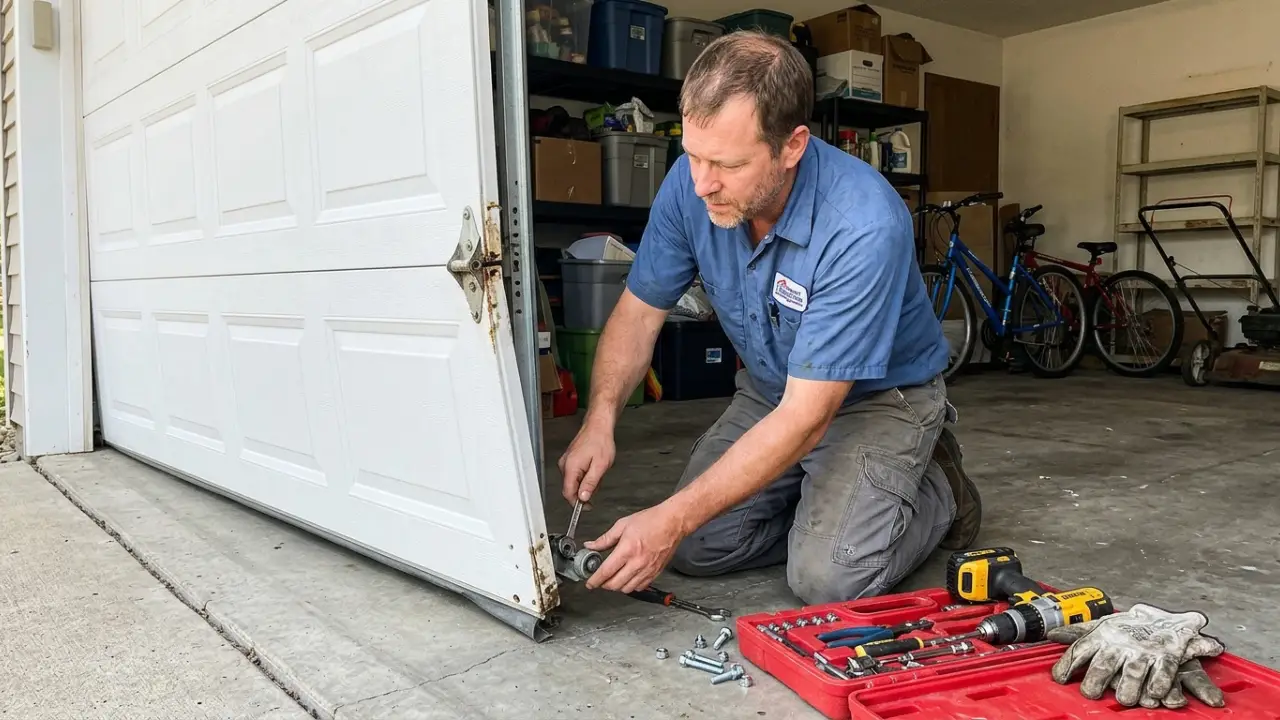
Garage Door Repair Service in Houston covers problems with springs, cables, tracks, rollers, panels, and openers. US Garage Door Repair helps homeowners in Houston, TX find the cause of faulty operation, understand repair options, and address worn or damaged components so their doors can move safely again.
A garage door problem can interrupt your morning, trap your vehicle, or leave your home exposed. A door that still moves may also need attention if it shakes, hangs crooked, or suddenly sounds different.
Our Garage Door Repair Service focuses on the whole operating system, not just the most obvious symptom. Call (346) 559-3972 or visit US Garage Door Repair to discuss your door and schedule service.
Garage door repair starts with finding why the door is not opening, closing, or staying balanced correctly. The door, lifting hardware, and opener work together, so a fault in one area can strain another.
A noisy door might have worn rollers, loose hinges, or poor track alignment. A door that reverses may have a sensor problem, an obstruction, or resistance in its travel path.
We look beyond the button on the wall. Replacing an opener will not solve a broken spring, and adjusting a sensor will not fix a bent track.
Tell us what changed and when you first noticed it. Details about a recent impact, power outage, or loud snapping sound can help guide the inspection.
A door that moves unevenly, makes unfamiliar sounds, or needs repeated commands should be checked before use continues. Small changes can be early signs of wear, while sudden changes may point to a damaged component.
Has your door started stopping halfway up? Does it close only after several tries? Those symptoms deserve a closer look rather than another round of button pressing.
Do not try manual operation simply to investigate a suspected spring or cable failure.
Keep people away and describe the symptoms when you call.
A broken or weakened spring can make a garage door too heavy for normal operation. Springs counterbalance the door’s weight. The opener guides movement rather than lifting that weight alone.
A loud bang from the garage may be a spring breaking. Other clues include a door that lifts only a few inches or an opener that strains without moving the door.
Spring replacement requires the correct spring selection and controlled handling of stored tension. Improvised adjustments can cause serious injury or damage nearby property.
Do not loosen spring hardware, winding cones, or connected brackets. If you suspect a spring failure, stop using the opener and leave the door in its current position until it can be assessed.
Damaged cables, worn rollers, and shifted tracks can prevent a door from moving evenly. These components guide and support movement, so their condition matters throughout the opening and closing cycle.
A cable may slip after another component fails. Simply putting it back in place without checking the cause can leave the same problem unresolved.
Rollers can develop wear that produces rattling, grinding, or rough travel. Tracks may bend after vehicle contact or shift when mounting hardware loosens.
If the door is off track, keep clear of the opening. Do not push the panels back into place or use the opener to force movement. A crooked door is not a puzzle worth solving by hand.
An opener problem should be checked alongside the door’s balance and movement. A working motor can struggle against a binding door, while a healthy door may stop because of a control or sensor fault.
Does the wall control work while the remote does not? That points the inspection in a different direction than a motor that hums without moving anything.
You can check a remote battery and confirm that the opener has power. Do not open electrical housings, touch damaged wiring, or increase force settings to overcome resistance.
Garage door safety sensors help prevent closing when their beam is blocked. Dirt, bumped brackets, stored items, or wiring faults can interrupt that signal and cause the door to reverse.
Start with a visual check from outside the door’s travel path. A broom handle, storage bin, or leaf near the opening may be enough to block the beam.
Gently wipe accessible sensor lenses with a soft, dry cloth. Check whether a bracket has been bumped, but avoid moving wiring or making repeated adjustments without the opener’s instructions.
Never bypass the sensors to keep the door running. If the opening is clear and closing problems continue, schedule an inspection rather than relying on workarounds.
A dented panel or loose hinge may affect more than appearance. Damage can change how sections fold, how rollers sit in the tracks, and how the door carries its weight.
Vehicle contact can bend a lower section even if the door still opens. Repeated operation may then strain hinges, roller brackets, or track supports.
Repair options depend on the damage, door construction, and availability of compatible components. Section replacement may be possible, but it should be considered with the condition of the remaining door.
Bottom brackets can connect to cables under tension. Leave them alone, even if a loose fastener looks like a quick fix.
Our Garage Door Repair Service in Houston starts with your description of the problem and a check of the door’s condition. We explain what we find before discussing the work needed.
The inspection follows the symptoms rather than assuming every door needs the same repair. A stuck door and a noisy door may require very different work.
You should not need a garage door vocabulary lesson to understand the findings. We keep the explanation practical and tied to what your door is doing.
The time needed for repair depends on the fault, access, and compatible component availability. A sensor issue may require less work than a crooked door with damaged cables and tracks.
Some problems are clear during the initial inspection. Others require careful checks because multiple components show wear or the fault happens only occasionally.
Older doors can create delays if matching sections or hardware are difficult to source. Previous modifications may also require closer review before work proceeds.
When scheduling, mention whether the door is open, closed, or partly raised. Photos taken from a safe distance can help show visible damage, though they do not replace an inspection.
A door that hangs crooked, drops unexpectedly, or has damaged lifting hardware should stay out of use. Repeated attempts to operate it can worsen damage and put people at risk.
Keep children, pets, and visitors away from the garage opening. If the door is partly raised, do not walk or drive beneath it.
If access to your vehicle is blocked, explain that during scheduling. Do not risk lifting a damaged door just to avoid changing your plans.
Preparing the garage gives the technician room to inspect the door and reach its operating components. You do not need to clean the entire garage. Safe access is the goal.
Move small storage items away from the tracks and opening only if you can do so safely. Leave anything beneath an unstable door where it is.
If a vehicle remains inside, let us know. Do not operate a damaged door just to create more working space.
Houston’s heat, humidity, and storms can contribute to garage door wear and operating problems. Moisture can encourage corrosion, while storm debris can obstruct sensors or collect near the tracks.
In Southeast Texas, a garage may also collect dust, grass clippings, and windblown leaves. These materials can interfere with sensors and conceal small problems near the floor.
After heavy weather, check the opening from a safe position. Look for debris, displaced weather seals, visible rust, and water near the opener’s electrical supply.
A power outage does not always mean the opener has failed. Once power returns, continued trouble may require checks of the power source, controls, and opener rather than repeated resets.
Simple visual checks can help you spot changes before the door becomes difficult to use. Care should follow the door and opener manufacturers’ instructions, especially for lubrication and safety testing.
Listen during normal operation from a safe position. A new scraping sound, rough spot, or delay may give you useful information to share during a service call.
Do not coat the tracks with grease unless the manufacturer specifically calls for it. Heavy buildup can collect dirt and make inspection harder.
Repair is often worth considering when the problem is limited and the remaining system is in usable condition. Replacement may deserve discussion when damage affects several sections or suitable components are unavailable.
The decision should account for panel condition, hardware wear, door balance, and opener compatibility. A new opener cannot correct a structurally damaged door.
We explain whether the fault appears isolated or connected to broader wear. That gives you a clearer basis for choosing the next step without replacing components on guesswork.
Tell us if you have had repeated trouble in the same area. That history can help identify a cause that earlier repairs did not resolve.
US Garage Door Repair provides Garage Door Repair Service in Houston for doors that stick, shake, reverse, or refuse to move. We focus on identifying the fault, explaining the repair, and checking operation after the work.
You do not need to know which component failed before contacting us. Tell us what the door does, whether it can close, and whether you see any damaged springs, cables, or panels.
For service in Houston, TX, call (346) 559-3972 or contact us to schedule an appointment. If the door looks unstable, leave it alone and let us know when you call.
Garage door repair service addresses issues affecting a door’s operation. US Garage Door Repair provides this service.
Unusual noises, uneven movement, or difficulty opening and closing may indicate a problem.
The issue may involve the opener, door components, or an obstruction. A professional can help identify the cause.
Noise may result from wear, loose components, or parts that need maintenance.
Some opener issues can be repaired, while others may call for replacement, depending on the condition of the unit.
Avoid operating a door that appears unstable or damaged, and seek professional guidance.
Garage door springs are under tension and can cause injury. Spring repairs are best handled by a qualified professional.
Not necessarily. Whether repair or replacement is appropriate depends on the door’s condition and the extent of the damage.
The time needed varies with the issue, the door’s condition, and the availability of parts.
Describe the problem, when it occurs, and any changes in how the door operates. Mention visible damage without handling affected parts.
Welcome to WordPress. This is your first post. Edit or delete it, then start writing!