Serving Houston, Texas | Residential & commercial
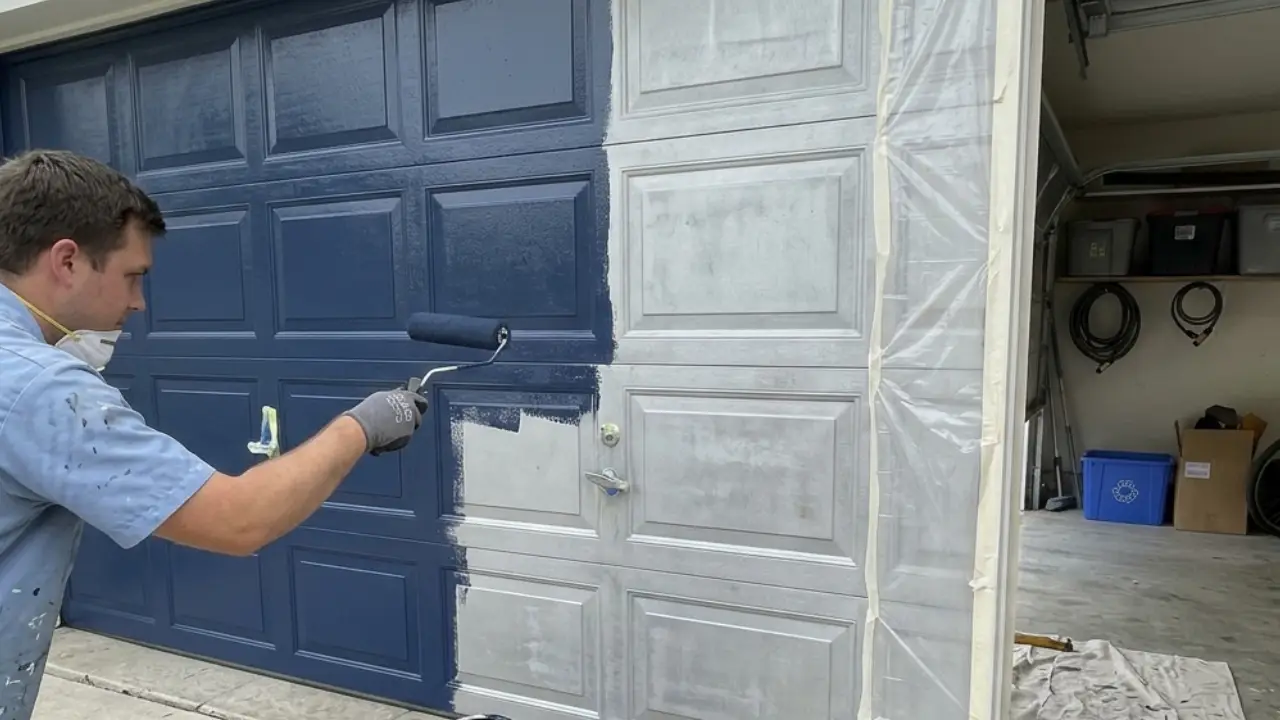
Garage Door Painting Service in Houston refreshes worn exterior finishes through cleaning, surface preparation, and compatible coatings. US Garage Door Repair helps Houston, TX homeowners address fading, peeling, and minor surface rust while keeping moving components clear of paint, so the door looks cared for and continues to operate properly.
Your garage door covers a large portion of your home’s front exterior. When its finish looks tired, even a clean driveway and tidy landscaping may not pull the whole view together.
A fresh coating can improve that appearance, but the work starts before the paint container opens. Surface condition, door material, weather, and product compatibility all affect the finished result.
Garage door painting is appropriate when the door operates properly and its surface can support a new finish. It can refresh faded color, cover prepared blemishes, and renew a worn protective coating.
Paint cannot correct bent tracks, failing springs, rotten wood, or badly corroded panels. Those concerns need attention before cosmetic work begins.
Is your door simply faded, or does it also scrape, shake, or struggle to open? That distinction helps separate a painting project from a mechanical concern.
We look at the condition of the door before discussing coating choices. A useful starting checklist includes the following.
Fading, flaking, and exposed material are common reasons to consider repainting a garage door. These signs suggest the old finish no longer provides consistent coverage.
Color changes often appear first on areas receiving direct afternoon sun. The door may look uneven, with protected edges retaining a darker shade than exposed panels.
A powdery film can indicate weathering of the existing coating. Painting over that residue without proper cleaning can reduce adhesion.
Peeling deserves closer inspection because several conditions can cause it. Moisture, contamination, poor preparation, or an incompatible previous coating may be involved.
Small rust spots on steel also need more than a quick cover-up. Once cleaned and assessed, sound areas may be prepared and primed, while metal with holes or extensive corrosion may need panel work instead.
Houston’s heat, humidity, and changing weather affect both surface preparation and coating application. Planning around these conditions helps the paint dry and cure within its product instructions.
High humidity may slow drying, while a hot metal door can cause paint to set too quickly. Direct sunlight can make the surface much hotter than the surrounding air.
A door may also collect overnight moisture, even when the forecast looks dry. The surface needs to be dry before primer or paint is applied.
Across Houston, Texas, shaded driveways and west-facing doors can present different conditions on the same day. We consider the actual work area rather than relying only on the forecast.
Rain, windblown dust, and lawn sprinklers can interrupt the work. A weather delay is less frustrating than coating a damp door and facing early peeling.
The door’s material helps determine which cleaning methods, primers, and paints are suitable. Steel, aluminum, wood, and composite surfaces should not receive the same treatment by default.
Factory finishes also matter, including finishes that appear smooth and sound. Product compatibility must be checked before sanding or applying a new coating.
Metal garage doors need a clean, sound surface and products suitable for the metal and existing finish. Steel may develop rust where its protective coating has been damaged.
Aluminum does not form the same reddish rust, but oxidation and surface contamination can still interfere with adhesion. Bare areas may need a compatible primer before the finish coat.
Aggressive sanding can damage thin coatings or expose more metal than necessary. Preparation should remove weak material without creating avoidable damage.
Wood doors need dry, firm surfaces before painting, while composite doors require attention to manufacturer guidance. Cracked coatings and exposed edges can allow moisture to affect wood.
Soft or deteriorated sections need assessment before painting proceeds. A fresh finish cannot make weakened material sound again.
Composite surfaces may have specific coating or color restrictions. We check available product information instead of assuming any exterior paint will work.
Proper preparation gives the new coating a suitable surface to grip. Skipping this work can leave attractive paint attached to dirt, chalk, or loose old paint.
Garage doors collect road dust, pollen, oily residue, and yard debris. Areas near handles and lower panels may need extra attention during painting preparation.
The preparation sequence depends on the door, but generally follows these steps.
Forceful washing can push water into joints or damage vulnerable surfaces. Cleaning should be effective without turning the garage into an indoor splash zone.
Minor cosmetic defects may be addressed during preparation if the surrounding material remains sound. The correct approach depends on the size, depth, and location of the damage.
A shallow blemish in wood differs from a dent in a thin steel panel. Fillers and patching products must suit the material and intended exposure.
We also distinguish fixed decorative joints from joints that move during operation. Caulking or painting sectional gaps shut can interfere with the door’s movement.
Existing texture may remain visible after repainting. Paint can improve color consistency, but it does not automatically flatten dents or erase every mark.
Before work proceeds, we discuss visible concerns that may affect the result. That keeps expectations grounded in the condition of your actual door.
A suitable garage door color complements the home while meeting the door manufacturer’s coating guidance. Trim, siding, brick, stone, and nearby entry doors all influence how the finished color looks.
Do you want the garage door to blend into the exterior or stand apart from it? A close match can create a quieter appearance, while contrast makes the door more noticeable.
Review samples outdoors in both sun and shade. A color that looks muted indoors may appear much stronger across a broad garage door.
Darker colors can absorb more heat, and some door materials carry restrictions on them. Those instructions should guide the choice before appearance alone does.
Sheen affects both appearance and visible imperfections. Glossier finishes can make surface flaws easier to see, while the chosen paint must still suit exterior garage door use.
Our Garage Door Painting Service in Houston begins with an inspection and a discussion of the intended finish. We consider preparation needs, access, moving components, and suitable weather before application.
A typical project follows this sequence.
The number of coats depends on the product, existing color, and surface condition.
Coverage should follow the coating instructions rather than a fixed assumption.
Paint belongs on approved door surfaces, not on components that control movement or safety. Tracks, rollers, springs, cables, hinges, seals, and sensors require protection during the work.
Coating flexible seals can make them stiff or cause them to stick. Paint buildup between sections can also create problems when the door moves.
A garage door is a moving assembly, not a fence panel. Care around joints and contact points matters just as much as even coverage across the face.
We consider these areas when preparing the work zone.
Spring and cable work should be left to a garage door professional. Those components can remain under dangerous tension even when the door is closed.
The schedule depends on surface condition, coating requirements, weather, and access to the door. A sound finish needing light preparation differs from peeling paint or multiple rust spots.
Cleaning may require a separate drying period before primer can be applied. Primer and finish coats also have their own recoat windows.
Dry to the touch does not mean fully cured. Fresh paint may still be vulnerable to pressure, rubbing, moisture, and contact with seals.
Houston humidity can extend the time needed between steps. Rain or heavy condensation may also require the work to pause.
Tell us if the garage is your main entrance or must hold a vehicle overnight. We can discuss access needs and explain when door movement should be limited.
Clearing access and controlling nearby moisture make the painting area easier to protect and use. A few simple steps can also keep household routines from interrupting fresh coatings.
Before the visit, use this checklist.
Avoid applying wax, polish, or a household touch-up product shortly before the visit. Residue can create extra preparation work or affect coating compatibility.
Also mention leaks or water collecting near the bottom seal. Repainting will not solve an ongoing moisture source.
Mechanical damage, unstable surfaces, and possible hazardous old coatings should be assessed before painting continues. Covering these concerns can hide symptoms without resolving the cause.
Stop using the door and request an inspection if it hangs crooked, has a loose cable, or drops unexpectedly. Painting should wait until safe operation has been addressed.
Older coatings may require special handling before scraping or sanding. If the finish history is uncertain, testing or specialist guidance may be needed.
Severely rusted metal, soft wood, and separating surface layers also deserve review. These conditions may call for repair or replacement rather than another coating.
Chemical cleaners and paint products need proper handling and ventilation. Keep ignition sources away where product instructions require it, and never bypass door safety devices for easier painting access.
Gentle cleaning and timely attention to small defects help a painted garage door stay in good condition. Follow the selected coating’s cure instructions before washing or exposing it to unnecessary contact.
Once the finish has cured, use a soft cloth or sponge with a compatible mild cleaner. Avoid abrasive pads, harsh solvents, and concentrated pressure washing near panel joints.
Inspect the door periodically for chips, new rust spots, and peeling edges. Early attention can limit the area needing preparation later.
Use these habits to reduce avoidable wear.
A later touch-up may look slightly different because the surrounding finish has weathered. Check color and sheen before treating a visible area.
US Garage Door Repair can help you plan a painting project around your door’s condition and daily use. The goal is a refreshed exterior finish without overlooking the working parts behind it.
When you contact us, describe the door material, visible wear, and any opening or closing concerns. Photos of the full door and damaged areas can help support the initial discussion.
For Garage Door Painting Service in Houston, call (346) 559-3972 or visit our contact page. Tell us what you want to change, and we can discuss the next steps for your Houston, TX home.
It involves preparing and painting a garage door to refresh its appearance. US Garage Door Repair provides this service.
You may consider painting when the existing finish looks faded, worn, or no longer matches your home’s exterior.
Suitability depends on the door’s material, condition, and existing finish. Some surfaces may require a different approach.
Consider colors that complement your home’s siding, trim, and overall exterior style.
Preparation generally includes cleaning the surface and addressing loose paint or other finish issues.
Paint selection depends on the door’s material and exterior exposure. Manufacturer guidance may also influence the choice.
Yes, weather conditions can affect application and drying, so they are considered when planning the work.
Use may need to be limited while painting and drying take place. Discuss access needs with the service provider beforehand.
No. Painting addresses the surface finish, while mechanical or structural concerns may require separate repairs.
Follow the paint manufacturer’s care guidance and use gentle cleaning methods appropriate for the finish.
Welcome to WordPress. This is your first post. Edit or delete it, then start writing!