Serving Houston, Texas | Residential & commercial
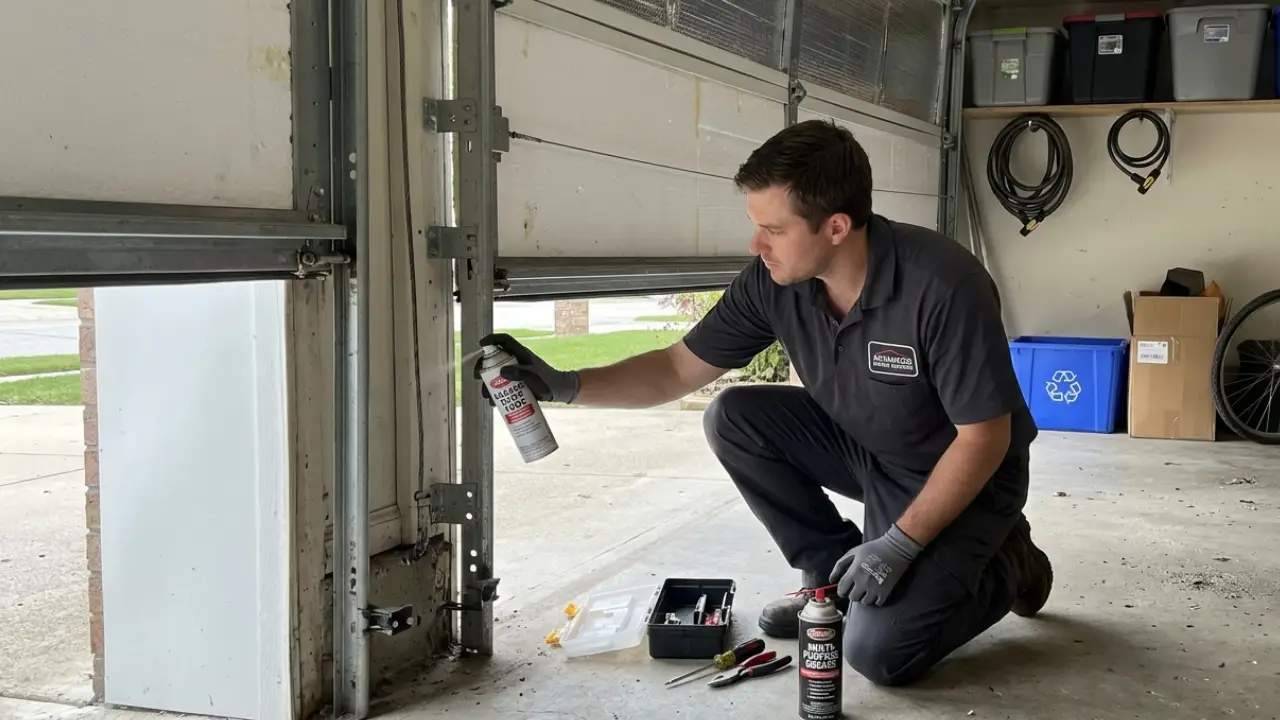
Garage Door Maintenance Service in Houston includes checking moving parts, testing safety features, and servicing components that affect daily operation. US Garage Door Repair helps Houston, TX, homeowners spot wear, reduce unnecessary strain, and keep their doors moving smoothly through practical inspections, proper lubrication, and clear recommendations for needed repairs.
Your garage door may move several times each day without much attention. Then a squeak becomes a grind, or the door starts stopping halfway. Regular care helps catch those changes before they interrupt your routine.
We check how the door and opener work together, not just whether the remote works. Call (346) 559-3972 or visit US Garage Door Repair to schedule a maintenance visit.
Routine maintenance checks the door’s condition, movement, hardware, and safety functions. The goal is to find wear, service suitable components, and identify problems that need repair rather than another adjustment.
A garage door has several connected systems. Springs support the door’s weight, cables help control its movement, and rollers guide it through the tracks. The opener moves the door, but it should not struggle against binding hardware or poor balance.
Our Garage Door Maintenance Service can include these checks, depending on your door and equipment.
We explain which findings need attention now and which should be watched during normal use.
New noises, uneven movement, and unreliable closing are common reasons to schedule maintenance. A door does not need to stop working completely before it deserves a closer look.
Has your door started waking the household before your morning coffee? Some operating sound is normal, but a new scrape, pop, or grinding noise can signal wear or contact where it should not occur.
Describe when the symptom happens, not just what it sounds like. A noise near the floor may point to a different issue than a noise near the fully open position.
Houston heat, humidity, and heavy rain can affect door hardware, seals, and daily operation. These conditions make regular visual checks useful, especially when a garage faces direct sun or frequent wind-driven rain.
Moisture can contribute to corrosion on exposed metal. Dirt can collect around roller stems, hinges, and track surfaces. Rubber seals may stiffen, crack, or lose contact with the floor as they age.
Storm debris can also block the opening or interfere with a sensor beam. A door that acts differently after a storm should be checked before repeated operation makes the problem worse.
Across Houston, Texas, garage use varies widely. A shaded garage used twice a day has different wear patterns from a sunny garage used as the household’s main entrance. Maintenance should reflect those conditions and the equipment manufacturer’s instructions.
A maintenance visit starts with your concerns and continues through inspection, appropriate service, and operating checks. We look for the cause of a symptom before making adjustments.
Our process generally follows these steps.
If we find a condition that makes operation unsafe, we stop the operating checks. Maintenance should never depend on repeatedly running a damaged door.
Correct lubrication reduces friction at approved moving contact points without turning the tracks into dirt collectors. The right product and application method depend on the door’s components and manufacturer guidance.
Too much lubricant can attract grime, drip onto stored items, and create a mess without fixing the underlying problem.
Certain hinges, roller bearings, and spring contact points may need lubrication. Some rollers use sealed bearings that do not need the same treatment. Nylon roller surfaces, opener belts, and track interiors should not receive lubricant unless the manufacturer specifically calls for it.
We check the component before choosing how to service it. A cracked hinge, worn bearing, or damaged roller needs more than a fresh coating.
Keep household oils and general cleaning sprays away from the mechanism unless the equipment instructions approve them. Your garage door is not asking for a cooking lesson.
Rollers, hinges, and tracks guide the door through its opening and closing path. Wear or damage in these areas can create shaking, scraping, and uneven movement.
Rollers should travel without binding. Hinges should move correctly and remain securely attached to sound door sections. Tracks need proper support and clearance, not simply a quick push back into place.
Do not loosen track brackets to experiment with alignment. A small change can affect the door’s movement and stability.
A dragging roller may be the symptom rather than the cause. Checking the surrounding hardware helps avoid treating only the noise while leaving the source unchanged.
Spring, cable, and balance checks help reveal conditions that place excess strain on the door and opener. These components handle substantial forces and require careful inspection.
Springs counterbalance the door’s weight. Cables work with the lifting system to help control movement. When something is wrong, the door may hang unevenly, become unusually heavy, or move unpredictably.
We look for visible spring damage, cable fraying, corrosion, and signs of uneven lifting. Balance checks are performed only when the system’s condition allows safe testing.
Do not adjust springs, cable drums, or bottom brackets yourself. Bottom brackets connect to the lifting cables and can remain under tension.
If a cable looks loose or a spring appears broken, stop using the door. Do not pull the emergency release on an open or unstable door, since it could drop unexpectedly.
Opener maintenance checks whether the motor, drive system, controls, and safety features support proper door operation. The opener should work with a sound door, not compensate for damaged hardware.
We observe travel and listen for unusual motor or drive noise. Depending on the equipment, inspection may include the rail, mounting hardware, belt or chain condition, wall control, and remote response.
For systems with photoelectric sensors, we check their condition, positioning, and response. Dirty lenses, damaged wiring, or a shifted sensor can prevent normal closing.
Reversal checks must follow the manufacturer’s procedure. Different equipment can have different testing instructions, so a generic test is not always suitable.
Never bypass safety sensors or increase opener force just to overcome a sticking door. If the door reverses repeatedly, the cause needs attention before normal operation continues.
Weatherstripping helps limit drafts, dust, insects, and some wind-driven moisture around the closed door. It also cushions contact where the bottom seal meets the garage floor.
A worn seal may split, flatten, or pull away from its retainer. Side and top weatherstripping can also become brittle or lose contact with the door.
We inspect visible seal damage and look for gaps around the opening. Replacement materials need to match the door’s retainer and operating clearance.
See water entering after heavy Houston rain? A seal may be only part of the issue. Floor slope, driveway drainage, and water collecting outside the opening can also contribute.
Weatherstripping cannot make a garage floodproof. We explain what the door seal can reasonably address and when the surrounding drainage deserves separate attention.
Maintenance becomes a repair issue when a component is damaged, worn beyond useful service, or no longer functioning safely. Lubrication and adjustments cannot restore every failing part.
A cracked roller, frayed cable, broken spring, or bent track needs a different response from dry hinges. Repeatedly adjusting the opener will not correct a door section that binds because of impact damage.
During Garage Door Maintenance Service in Houston, we separate routine upkeep from repair findings. That gives you a clear explanation of what is happening and what work may be needed next.
We also distinguish urgent concerns from items to monitor. A damaged lifting cable calls for a different response than minor cosmetic wear.
Have you been pressing the remote several times to get the door closed? That workaround is useful information, but it should not become the long-term plan.
Your maintenance schedule should follow the equipment instructions and reflect how often the door operates. There is no single interval that fits every household or every door.
Many homeowners use an annual professional inspection as a starting point. More frequent attention may make sense for heavy daily use, older equipment, recurring moisture exposure, or a history of operating problems.
Do not wait for a calendar reminder if the door changes suddenly. An unexpected bang, crooked position, or loose cable needs prompt attention, even shortly after a previous visit.
A clear garage opening and access to the controls help us inspect the system without unnecessary obstacles. You do not need to take anything apart before we arrive.
Do not climb to find a label or force a stuck door open. If a vehicle is trapped inside, tell us when you call.
A short recording of an intermittent noise may help, but only record from a safe distance.
Simple observation and gentle cleaning can help you notice changes between maintenance appointments. Home care should stay clear of tensioned parts and adjustments that affect door support.
Keep the opening clear of leaves, toys, and stored items. Wipe accessible sensor lenses gently with a clean, soft cloth, following the equipment instructions. Check seals visually for tears or gaps.
Never place fingers between door sections or reach into moving tracks. Avoid pressure-washing bearings, electrical components, or opener equipment.
Keep a short note of recurring symptoms. Clear observations are more helpful than repeated attempts to make a reluctant door move.
Stop operating the door if it appears unstable, hangs crooked, or has damaged lifting components. Keeping it out of use can help prevent further damage and reduce the chance of injury.
Keep people away from the opening and avoid standing beneath the door. Do not try to prop it up with household objects or pull it straight by hand.
Tell US Garage Door Repair whether the door is open, closed, or stuck between positions. That information helps us understand the situation before any operating checks begin.
US Garage Door Repair provides Garage Door Maintenance Service in Houston with attention to movement, hardware condition, and safe operation. We explain what we find so you understand the difference between routine care and needed repair work.
A useful visit should leave you with clear information, not a list of unexplained parts. We discuss observed wear, address suitable maintenance tasks, and tell you what changes to watch for afterward.
Whether your door has become noisy or simply needs a routine check, tell us what you have noticed. Include any sticking, recent impact, unusual sound, or closing trouble when you contact us.
Call (346) 559-3972 or contact us to schedule garage door maintenance in Houston, TX. Give your door some attention before its next complaint interrupts your day.
It is routine care that helps address wear and supports the operation of a garage door system. US Garage Door Repair provides this service.
Maintenance helps identify signs of wear and gives homeowners an opportunity to address concerns before they worsen.
Maintenance needs vary depending on usage, door condition, and manufacturer recommendations.
Unusual sounds, uneven movement, or changes in operation may indicate that maintenance is needed.
It generally involves reviewing the door’s condition and addressing routine care needs based on the system.
Homeowners can follow basic care guidance from the manufacturer. Work involving tensioned parts or mechanical adjustments is best left to a qualified professional.
Openers may need routine attention as part of overall garage door care, following the manufacturer’s guidance.
Temperature changes, moisture, and exposure to the elements can affect door components and maintenance needs.
Maintenance focuses on routine care, while repair addresses a particular fault or damaged component.
Contact US Garage Door Repair to discuss your maintenance needs and ask about service availability.
Welcome to WordPress. This is your first post. Edit or delete it, then start writing!