
Serving Houston, Texas | Residential & commercial
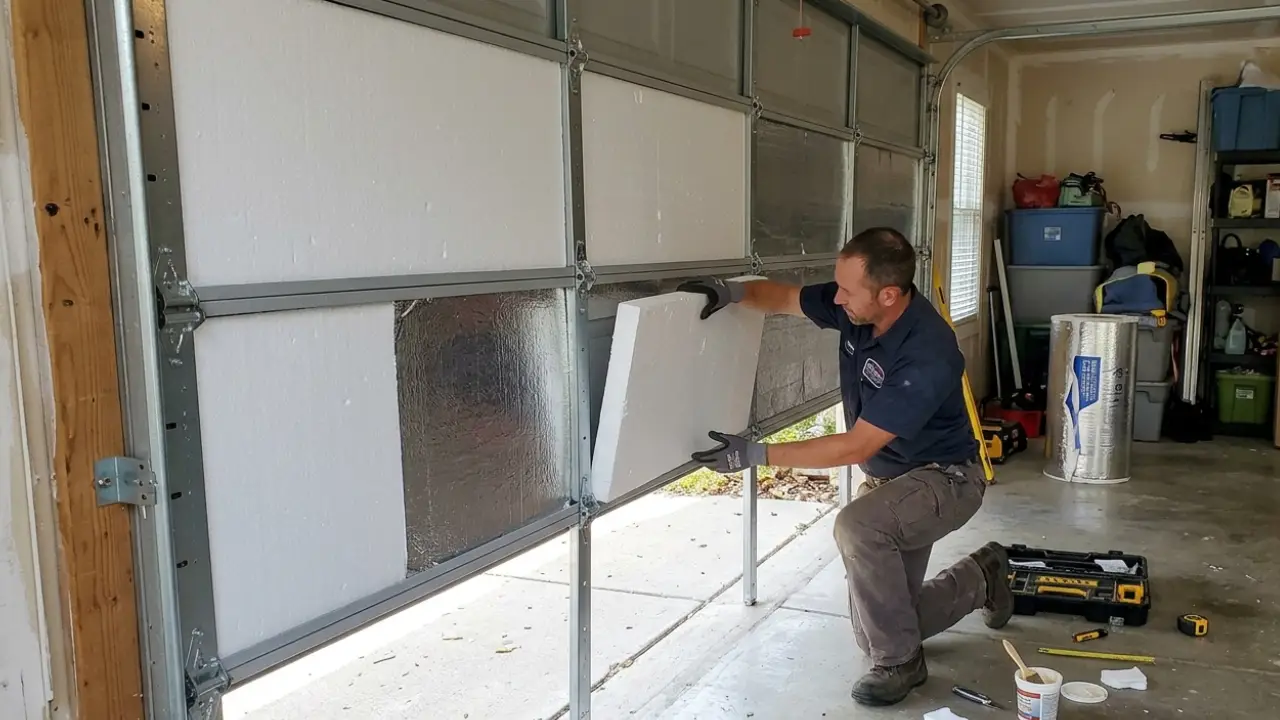
Garage Door Insulation Service in Houston adds suitable insulation to compatible door panels to slow heat transfer. US Garage Door Repair helps Houston, TX homeowners assess door condition, compare insulation options, and address gaps that affect comfort. We focus on material fit, added weight, and safe door operation.
A hot garage can make simple tasks uncomfortable, especially after the afternoon sun hits an uninsulated steel door. Insulation can help moderate those temperature swings, but it works best when the door closes properly and its seals fit.
Does your garage feel uncomfortable even when the door stays closed? We can help you understand whether door insulation, sealing work, or another improvement makes sense. Call (346) 559-3972 or visit US Garage Door Repair to discuss your garage.
Garage door insulation service improves resistance to heat flow through compatible door sections without interfering with normal movement. The work involves checking the door, selecting suitable materials, fitting insulation, and checking operation afterward.
A garage door is a moving system, not a fixed wall. Added material must stay secure through repeated opening and closing, while leaving hinges, rollers, tracks, and other hardware clear.
We explain the proposed work before installation. If your door has damage or operating problems, those issues need attention before insulation is added.
Insulation slows heat transfer through the garage door, which may help the space feel less harsh during hot Houston weather. It can also slow heat loss during cooler periods.
An uninsulated metal door offers little resistance to heat flow. When sunlight heats its exterior, that heat can move through the door and affect conditions inside the garage.
The benefit depends on more than outdoor temperature. Door orientation, direct sunlight, ventilation, roof insulation, wall construction, and how often you open the door all affect comfort.
Houston humidity adds another consideration. Insulation does not remove moisture from the air, and it does not fix roof leaks or water entering under the door.
Think of insulation as part of the garage’s thermal barrier. It helps manage heat flow, but it cannot tell a Texas summer to take the afternoon off.
Garage door insulation can reduce heat transfer through the door, but it will not turn an unconditioned garage into a climate-controlled room. The outcome depends on the entire space.
You may notice more comfortable conditions near the door or slower temperature changes after it closes. Some insulation materials may also soften panel vibration, though they do not make a garage soundproof.
Avoid assuming that a product’s insulation rating predicts a specific indoor temperature. A panel’s stated R-value describes thermal resistance under stated test conditions, not the complete performance of your garage.
An insulated door may help an attached home when it supports a better overall thermal barrier. Household energy savings are not certain, especially if the garage is unconditioned or other surfaces allow substantial heat flow.
We keep the conversation focused on practical improvements. Your reason for insulating, whether laundry, storage, hobbies, or daily access, helps guide the decision.
An uninsulated door may be worth improving when heat through its panels contributes to uncomfortable garage conditions.
The strongest clues combine door construction with how you use the space.
Is the main problem heat, drafts, dampness, or noise? Identifying that first helps prevent choosing insulation for a problem it cannot solve alone.
Many sectional garage doors can accept retrofit insulation, but compatibility must be checked before choosing a product. Panel shape, available clearance, condition, and weight limits all matter.
A steel door with open interior sections may have room for suitable inserts. A door with a factory-insulated core may gain little from added material, while extra thickness could obstruct its movement.
Wood doors, unusual panel profiles, and older doors need individual assessment. Cracked sections, bent reinforcement, loose hardware, or failing panel joints can make insulation the wrong immediate step.
We also consider how added weight affects the existing spring system. Even insulation that feels light by hand changes the total load across a large door.
If the door is unsuitable for a retrofit, we explain why. An insulated replacement door may be worth discussing when broader door problems already need attention.
The right insulation material must fit the door, remain secure, and suit the conditions inside the garage. Thermal resistance is only part of that decision.
Rigid foam inserts are used in some retrofit applications because they can fit within panel recesses. Their thickness, facing, and attachment method still need to match the door and product instructions.
Some garage door kits use faced fiberglass insulation. These products need proper support and enough clearance so they do not sag, snag, or obstruct moving parts.
Reflective products work differently from bulk insulation. Their performance depends on the assembly, including any required air space, so a reflective surface alone should not be treated as equivalent to insulated panels.
Materials also need appropriate exposure and protective facing. We review manufacturer instructions rather than attaching general building insulation without checking its suitability.
For Garage Door Insulation Service in Houston, we focus on a workable combination of thermal resistance, secure fit, and manageable weight. The thickest material is not automatically the best choice.
Door seals reduce unwanted air movement around the opening, while insulation slows heat flow through the panels. Both deserve attention because they address different paths for heat transfer.
A worn bottom seal can leave space between the door and concrete. Side and top weatherstripping may also pull away, become stiff, or leave visible gaps.
Small openings can allow hot air, dust, and wind-driven rain into the garage. Insulating the center of the door will not close those openings.
Seal work also has limits. Uneven concrete, drainage problems, or a door that closes crooked may need a different correction rather than a thicker strip of rubber.
We inspect how the seals contact the closed door. The goal is useful contact without unnecessary drag or interference with safe operation.
Never block ventilation openings or drainage paths to make a garage feel tighter. Those openings may serve a purpose beyond temperature control.
Our visit begins with checking the door and understanding what you want to improve.
That review helps establish whether insulation is suitable and what related concerns need attention.
You receive a clear explanation of what the work addresses.
We also point out conditions outside the door that may continue to affect comfort.
Added insulation changes the weight of the garage door, so its balance must be reviewed. A suitable fit inside the panels does not automatically make the installation safe.
Garage door springs counterbalance the door’s weight. The opener moves the door, but it should not compensate for an improperly balanced assembly.
Too much added weight can strain components or affect movement. Loose insulation can also shift into hinges, tracks, or the path of safety sensors.
Do not adjust springs, loosen bottom brackets, or remove cables yourself. These components can hold dangerous tension even when the door is not moving.
Stop using the door if it drops unexpectedly, hangs crooked, or makes a sudden loud bang followed by poor movement. Keep people clear and call for an assessment before continuing with insulation plans.
Moisture problems should be checked before insulation covers the inside face of a garage door. Covering a damp or corroded surface can hide damage and make inspection harder.
In Houston, humid air may meet cooler surfaces and form condensation. Rain intrusion, wet vehicles, and poor drainage can also add moisture to the garage.
Look for rust streaks, damp panel edges, musty odors, or repeated puddles near the opening. These clues help separate condensation from water entering around or beneath the door.
Insulation does not function as a dehumidifier. If humidity remains a concern, the garage may need a broader ventilation or moisture-control review.
Avoid placing a new layer over wet, dirty, or deteriorating insulation. A sound installation starts with understanding the existing condition and following the selected product’s installation requirements.
Clear access to the garage door helps us inspect and work without moving around stored belongings.
You do not need to remove door hardware or prepare the springs.
Photos can help describe your door before the appointment. A closer inspection is still needed to confirm material fit and operating condition.
The time needed depends on the door, material choice, preparation, and any problems found during inspection.
A straightforward installation differs from a door that needs corrective work first.
We discuss the expected scope after reviewing the door. That is more useful than promising the same completion time for every garage.
Routine visual checks help you spot loose insulation and changes in door movement after installation. Keep the panels clear and use cleaning methods suited to the material.
Check the inside face periodically with the door closed. Look for sagging edges, damaged facing, loose retainers, or material shifting near hinges.
Listen during normal operation without standing beneath a moving door. New scraping, rubbing, or uneven movement deserves attention rather than repeated opening and closing to test it.
Do not attach tools, storage hooks, or other loads to insulated panels. Insulation is not a storage surface, even when it looks like unused wall space.
Keep bottom and perimeter seals clear of debris. If material comes loose, avoid using the door when it could catch in moving hardware, and contact us for guidance.
The most useful insulation plan reflects your garage’s exposure, construction, and daily use. Two homes on the same Houston street can have different comfort problems.
A west-facing door may receive strong afternoon sun. An attached garage may also need attention to the wall and door separating it from the house.
A detached workshop may benefit from door insulation but still gain heat through an uninsulated roof. A garage opened repeatedly throughout the day will exchange indoor and outdoor air regardless of panel insulation.
Planning to spend longer periods inside? Door insulation alone does not make a garage suitable for living space or replace proper ventilation.
Never idle a vehicle or operate a fuel-burning generator inside the garage. Keeping the door open does not make those activities safe.
US Garage Door Repair can help you assess whether insulation is a practical improvement for your Houston, Texas garage. We focus on the door’s condition, suitable materials, and safe movement rather than promising a fixed temperature change.
Our Garage Door Insulation Service in Houston starts with understanding the problem you want to solve. We explain what insulation can address, where seals may help, and whether existing door issues need attention first.
Have an uninsulated door, damaged inserts, or a garage that becomes uncomfortable in the afternoon? Tell us what you are noticing so we can discuss the next step.
Call (346) 559-3972 or visit our contact page to arrange service with US Garage Door Repair.
This service involves adding insulation to a garage door to help limit heat transfer between the garage and outdoors.
Yes, US Garage Door Repair provides garage door insulation service.
Homeowners often consider insulation to help manage temperature changes and make garage spaces more comfortable.
Suitability depends on the door’s design, condition, and compatibility with insulation.
No. Insulation addresses heat transfer through the door, while weatherstripping helps address gaps around its edges.
Insulation may reduce some sound transmission, but results depend on the door and surrounding construction.
Insulation alone does not control temperature. Weather, air gaps, and the rest of the garage also play a role.
Added insulation changes the door’s weight, so compatibility and door balance should be considered.
Insulation should be checked periodically for damage or loose sections, along with routine garage door upkeep.
Consider the door’s condition, how you use the garage, and your insulation goals. US Garage Door Repair can discuss general service options.
Welcome to WordPress. This is your first post. Edit or delete it, then start writing!