
Serving Houston, Texas | Residential & commercial
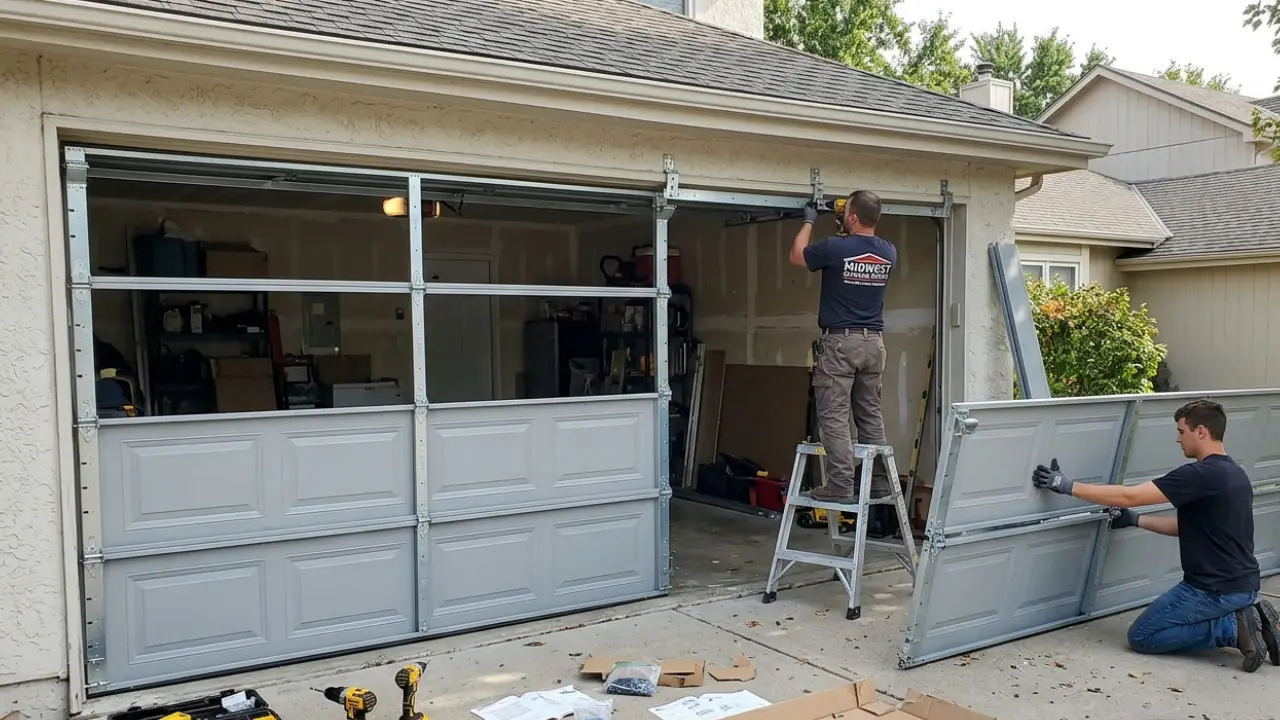
Garage Door Installation Service in Houston includes measuring your opening, fitting a new door, and checking safe operation. US Garage Door Repair helps Houston, TX homeowners choose suitable doors, plan installation, and confirm that tracks, springs, seals, and opener connections work together for dependable everyday use.
A new garage door should do more than look good from the street. It should fit the opening, move smoothly, and suit how you use your garage. That starts with careful measurements and a clear conversation about your needs.
Do you park inside every night, use the garage as a workshop, or mainly need secure storage? Those details help guide door selection. Call (346) 559-3972 or visit US Garage Door Repair to discuss your installation.
Garage door installation involves fitting the door and setting up the hardware needed for controlled movement. The panels, tracks, rollers, springs, cables, and mounting points must work as a matched system.
An opener moves the door, but the springs carry much of its weight. A new door may need different springs or hardware than the old door, even when both fit the same opening. Reusing components without checking compatibility can create operating problems.
We discuss the planned work before installation begins. Ask about removal and disposal arrangements so you know what to expect.
Replacement is worth considering when damage, poor fit, or repeated operating trouble limits the usefulness of your current door. Age alone does not decide whether a door needs replacement.
Bent sections, spreading rust, cracked wood, or loose panel connections may affect more than appearance. A door that rubs the opening or travels unevenly needs inspection before you keep using it. Some problems can be repaired, while others make a new door the more practical choice.
Is the door noisy but otherwise sound? Noise alone does not prove you need replacement, so an inspection should come before that decision.
Accurate measurements determine which door and track setup will fit your garage. Opening width and height matter, but they are only the beginning.
The space above the opening affects spring and track placement. Side clearance allows room for mounting hardware, while garage depth determines how far the open door can travel. Shelves, pipes, lights, and ceiling storage can interfere with that path.
An uneven floor may prevent a uniform seal, even with a correctly installed door. We explain visible fit concerns rather than treating a new bottom seal as a cure for every gap.
The right material depends on your upkeep preferences, exposure, and appearance goals. Weight and construction also affect the spring system and hardware needed for installation.
Steel doors offer many panel styles and insulation choices. Their finish needs attention if scratches expose bare metal, and thinner panels may dent more easily. Compare the actual construction rather than judging every steel door as the same product.
Wood doors provide a natural appearance but usually need more finish care. Houston moisture and sun exposure can make regular inspection especially useful. Ask about upkeep before choosing wood mainly for its curb appeal.
Aluminum and glass doors can bring daylight into the garage. Glass selection affects privacy, heat transfer, and door weight, so appearance is only one consideration. We can discuss these material choices and confirm options for your opening before you commit.
Insulation and perimeter seals can help manage heat transfer and drafts, but they do not turn a garage into conditioned living space. The garage walls, roof, ventilation, and air leaks also affect comfort.
Houston, Texas heat makes door construction worth discussing, especially with an attached garage. An insulated door may be useful near occupied rooms or in a garage used for hobbies. Its benefit depends on the full space, not just the door.
A garage door seal is not a flood barrier.
If water runs into the garage during heavy rain, grading or drainage may need separate attention.
A suitable door style complements the house while preserving useful clearance and privacy. Panel shape, color, windows, and decorative hardware all affect the finished appearance.
Raised panels often suit traditional homes, while flush panels offer a simpler look. Carriage-style doors can provide a familiar appearance while operating on overhead tracks. Review how the full door looks, not just a small sample.
Windows deserve a practical conversation before selection. They can bring in daylight, but placement may expose stored items or create glare. Frosted or textured glass may offer more privacy, depending on the product.
Will you still like the view from inside the garage? That question helps balance appearance with everyday use. If your property has association rules, check approval requirements before the door order is placed.
An existing opener may work with a new door if its condition and specifications suit the installation. Compatibility should be checked rather than assumed.
A heavier door does not simply call for more opener force. The door must first be balanced with the correct spring system. Using the opener to drag a poorly balanced door can place extra strain on connected components.
Tell us if your current opener hesitates, reverses unexpectedly, or struggles to close. A new door should not hide an existing opener problem that still needs attention.
Installation follows a planned sequence so the door, support hardware, and opener connection can be checked together. For Garage Door Installation Service in Houston, preparation begins with confirming the opening and selected door.
The exact sequence depends on whether the garage has an existing door or an unfinished opening. Damaged framing or unexpected obstructions may need attention before the new hardware can be secured.
We keep the focus on the complete door system. A good-looking door still needs correct mechanical setup.
Installation timing depends on the selected door, site readiness, and the condition of the existing opening. A straightforward replacement has different needs than a garage undergoing construction.
Door availability and special selections can affect planning before installation day. On-site work may also change if removal exposes damaged wood or weak mounting surfaces. These issues should be addressed rather than covered by new hardware.
Ask for a practical schedule once the door and site have been reviewed. If you need the garage for daily parking, discuss access expectations before work begins.
A clear work area helps installation proceed safely and reduces avoidable interruptions. Move vehicles and stored items before the scheduled visit.
The crew needs access around the opening and along the overhead track path. Ceiling storage can be easy to overlook, especially when the garage door usually hides it. Your holiday decorations should not become an unexpected installation obstacle.
Do not remove tracks, cables, brackets, or springs yourself. Leave the existing system intact unless we provide specific instructions after reviewing its condition.
A crooked, falling, or partly detached garage door should not be operated until it has been inspected. Keep people and vehicles away from its travel path.
Garage door springs and cables carry substantial tension. Bottom brackets can also be under tension through their cable connections. Loosening these components without proper handling can cause serious injury.
Do not pull the emergency release on an open door that may have a broken spring or cable. It could drop without support. Call US Garage Door Repair at (346) 559-3972 and describe what you see from a safe distance.
The installed door should be checked for controlled movement, secure attachments, and proper safety function before regular use. Appearance is part of the review, but operation comes first.
Manual balance matters because the opener should not be carrying a door with an unsuitable spring setup. Track spacing, roller movement, cable position, and section connections also need attention. Any opener must be checked with the new door attached.
We explain how to operate the system and what changes deserve a call. Ask questions before using an unfamiliar control or release mechanism.
Routine observation and product-appropriate care help you spot trouble before it interrupts daily use. Follow the door and opener manufacturers’ instructions for cleaning, lubrication, and testing.
Listen to the door during normal travel. New scraping, popping, or grinding sounds deserve attention, especially if movement also changes. Do not respond by increasing opener force.
Do not pack tracks with grease or lubricate every visible component. The correct product and application points depend on the system. Houston humidity also makes it useful to check finishes and hardware after prolonged damp weather.
US Garage Door Repair helps you plan installation around your opening, preferred appearance, and daily garage use. Our Garage Door Installation Service starts with the details that affect fit and operation.
You do not need to know your spring size or track requirements before calling. Share what you want to change and any problems with the current door. Photos of the opening, ceiling space, and existing setup can support the initial discussion, though measurements still need confirmation.
Ready to discuss Garage Door Installation Service in Houston? Call (346) 559-3972 or visit our contact page to contact US Garage Door Repair. We can help you take the next step toward a new garage door for your Houston, TX home.
It involves fitting a garage door and its operating components. US Garage Door Repair provides garage door installation service.
A new door may be worth considering if your current door is damaged, outdated, or no longer suits your needs.
Consider the door’s appearance, material, insulation, and compatibility with your garage.
Compatibility depends on the door and opener. Discuss your existing setup with the installer before proceeding.
Clear the area around the garage opening and keep the workspace accessible. Ask the installer about any additional preparation.
Installation time varies depending on the door, the existing setup, and the work involved.
Insulation may be a consideration based on your climate, how you use the garage, and whether it connects to your home.
Garage doors involve heavy parts and components under tension. Professional installation is generally advisable for safety.
Follow the manufacturer’s care instructions and seek professional help if you notice unusual movement, noise, or wear.
Contact US Garage Door Repair to discuss your installation needs and ask about the next steps.
Welcome to WordPress. This is your first post. Edit or delete it, then start writing!