Serving Houston, Texas | Residential & commercial
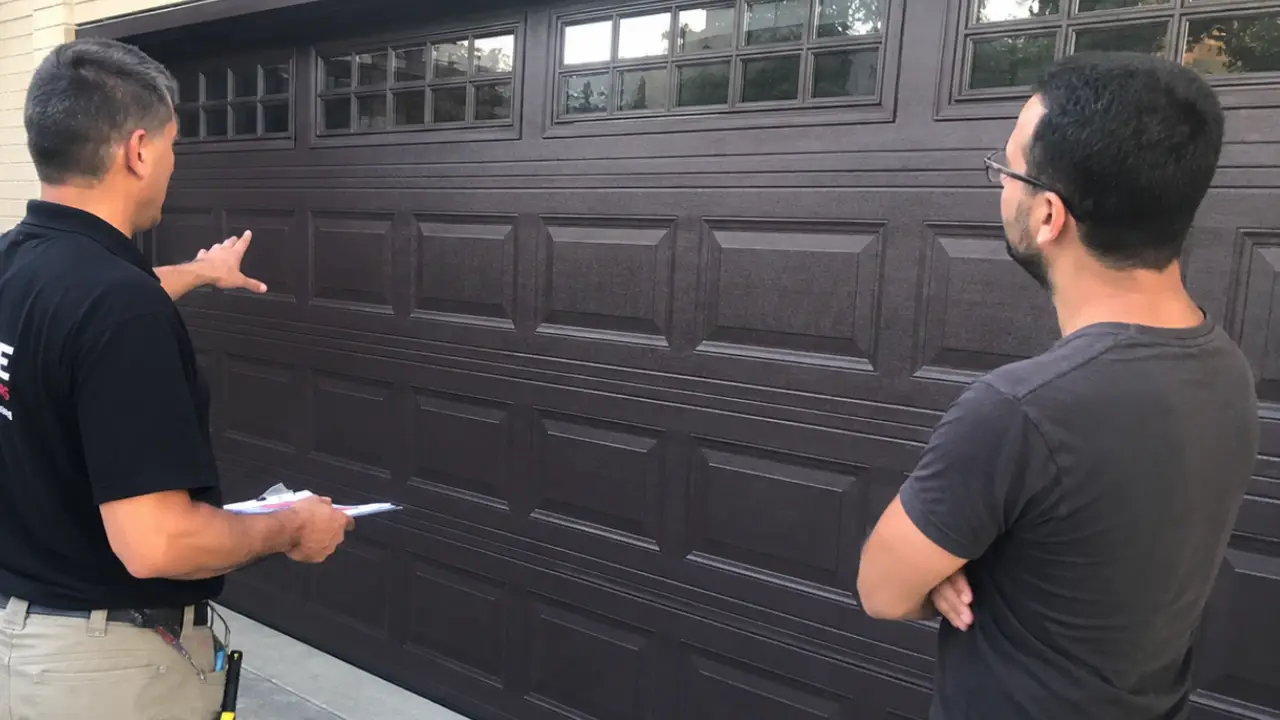
Garage Door Consultation Service in Houston helps you understand door problems, compare replacement options, and plan your next step. At US Garage Door Repair, we help Houston, TX, homeowners review safety concerns, door condition, opener compatibility, and everyday needs. You get practical guidance before choosing repair, replacement, or further inspection.
A consultation helps you understand your choices before deciding what work your garage door needs.
A garage door consultation helps you decide what needs attention and which options fit your home. We look beyond a single symptom to consider how the door, opener, hardware, and opening work together.
You may need help with a noisy door, an aging opener, or a replacement project. You may also want another explanation before moving ahead with a previous recommendation. Our role is to make the choices easier to understand without pushing you into unnecessary work.
The discussion can cover the condition of your existing system and the options for your next step.
A consultation provides direction, but some problems require hands-on testing before anyone can identify the cause.
We explain that distinction so an early impression does not become an unsupported diagnosis.
A consultation makes sense when you notice a problem but do not know what work is necessary. It is also useful before changing a door that still operates but no longer meets your needs.
Does the opener struggle even though the door looks fine? Are you wondering whether a damaged panel can be replaced without changing the whole door? Those questions depend on more than appearance.
A garage door should not require a daily pep talk. If using yours has become a routine source of concern, getting advice is a sensible next step.
A door that appears unstable or has damaged lifting hardware needs professional attention before further use. Springs, cables, brackets, and a raised door can cause serious injury if handled incorrectly.
Stop operating the door if it hangs crooked, drops unexpectedly, or has a loose or hanging cable. Keep people, pets, and vehicles away from the opening. Do not run repeated opener cycles to see whether the problem disappears.
Tell us about these conditions when you call. A safety concern may need a service visit rather than a planning conversation alone.
Our consultation process starts with your concerns and moves toward a practical next step. Understanding what you have noticed helps us focus on the right parts of the system.
There is no need to know technical names before contacting us. “It bangs near the floor” is useful information, even if you cannot name the component responsible.
If an onsite review is needed, confirm the scope when arranging the visit. Consultation, diagnosis, and completed repair are different steps, even when they relate to the same concern.
The same garage door symptom can come from several different components. A useful consultation separates what you observe from what still needs verification.
A grinding sound may involve worn rollers, loose hardware, or an opener issue. A door that reverses may have a blocked photo-eye sensor, resistance during travel, or another operating fault.
These are possibilities, not diagnoses. We avoid treating a symptom as proof that a specific component must be replaced.
Describe the sound and where it occurs rather than trying to reproduce it repeatedly. A short video can help only if it can be recorded without operating a potentially unsafe door.
Repair is worth considering when the problem is limited and the rest of the door remains serviceable. Replacement may make more sense when damage is widespread, compatible parts are unavailable, or the door no longer suits the opening.
We consider the system as a whole. A new opener will not correct a damaged door or a spring problem that makes the door difficult to lift.
An older door does not automatically need replacement. A newer door can still need substantial attention after an impact or installation problem.
Our Garage Door Consultation Service in Houston helps you weigh those facts rather than deciding from age or appearance alone. The goal is a recommendation that matches the actual condition and your intended use.
The right replacement door must fit the opening, work with the available hardware space, and suit your daily use. Appearance matters, but it should not be the only deciding factor.
We help you consider practical differences between materials and construction options. Steel, wood, and aluminum doors have different care needs, weights, and responses to moisture.
Insulation can help reduce heat transfer, but it does not turn an unconditioned garage into a cooled room. Seals, wall construction, roof exposure, and air leakage also affect comfort.
Bring photos of styles you like. We can use them to discuss function alongside appearance, not instead of it.
An opener should suit the door and available installation space rather than compensate for mechanical problems. The door itself must operate properly before opener selection becomes the main focus.
Do you have a bedroom above the garage? Is overhead storage limiting space? Those details can influence which opener arrangement is worth considering.
We also discuss safety sensors and access during a power outage. Features vary by model, so product details should be checked before selection.
Remote features can be convenient, but they do not replace safe operating habits. Keep the opening clear and avoid closing a door when you cannot confirm that its path is clear.
Houston heat, humidity, and heavy rain make material condition and opening protection useful consultation topics. The right questions depend on how your garage faces the weather and how you use the space.
Metal components can develop corrosion, especially where protective finishes are damaged. Wood can need attention when moisture affects its finish or shape. Weather seals may become stiff, torn, or separated over time.
A bottom seal is not a flood barrier. Water entry may involve drainage, driveway slope, or other building conditions that garage door work alone cannot resolve.
For wind-related questions, product documentation and the requirements for your property matter. We avoid assuming that appearance or thickness alone proves a door is suitable.
Garage layout can affect door choices, opener placement, and the work needed for a change. Measuring the opening alone does not answer every fit question.
Ceiling height, side clearance, track arrangement, and nearby storage all matter. Lighting, ductwork, shelving, and attic access can also interfere with proposed equipment locations.
Tell us if the household depends on the garage for daily access. That information helps shape preparation and scheduling discussions.
Do not move tracks or opener supports to create space yourself. Small changes can affect door travel and place stress on the system.
A few photos and a clear description can make your consultation more productive. You do not need to dismantle anything or test a door that appears unsafe.
Gather information from a safe position. Labels are helpful when visible, but climbing around damaged hardware is not worth the risk.
Have existing product paperwork ready if you can find it. Do not worry if it is missing, since visible equipment details may still help.
Choose your two or three biggest concerns before the conversation. That keeps the discussion focused on what matters most to your household.
The time needed depends on whether you want planning advice or help with an unresolved operating problem. A straightforward product discussion differs from a review involving damage, unusual track arrangements, or several interacting faults.
Photos and model information can help with an initial conversation. They cannot confirm spring condition, door balance, or every hidden source of resistance.
We can discuss what information is needed before the next step. Avoid assuming that a consultation includes completion of all related work during the same visit.
US Garage Door Repair helps you move from uncertainty to a sensible plan for your garage door. We explain the concern, discuss realistic options, and identify what still needs inspection before a decision.
You should understand why a recommendation fits your situation. Ask what the proposed work addresses, what remains unchanged, and whether any follow-up checks are needed.
After the consultation, keep the key observations and agreed next steps together. Watch for new noises, uneven movement, or changes in closing behavior, and report them before proceeding with an earlier plan.
For Garage Door Consultation Service in Houston, call (346) 559-3972 or visit our contact page. Tell us what your door is doing or what you want to change, and ask about arranging a consultation in Houston, TX.
It is a discussion about your garage door needs, concerns, and possible next steps. US Garage Door Repair provides this service.
A consultation may be helpful when planning an update or deciding how to address a garage door concern.
General topics include garage door condition, appearance, functionality, and replacement considerations.
A consultation can provide an opportunity to discuss styles that may suit your home and preferences.
Repair and replacement considerations can be part of the discussion, depending on your door and goals.
Note your concerns, preferences, and questions so you can explain what you would like to address.
Opener-related concerns and general compatibility considerations can be topics to raise during a consultation.
A consultation generally focuses on discussing needs and options rather than performing repair work.
General maintenance questions can be included, along with concerns about how your door operates.
Contact US Garage Door Repair to ask about its consultation service and discuss your needs.
Welcome to WordPress. This is your first post. Edit or delete it, then start writing!