Serving Houston, Texas | Residential & commercial
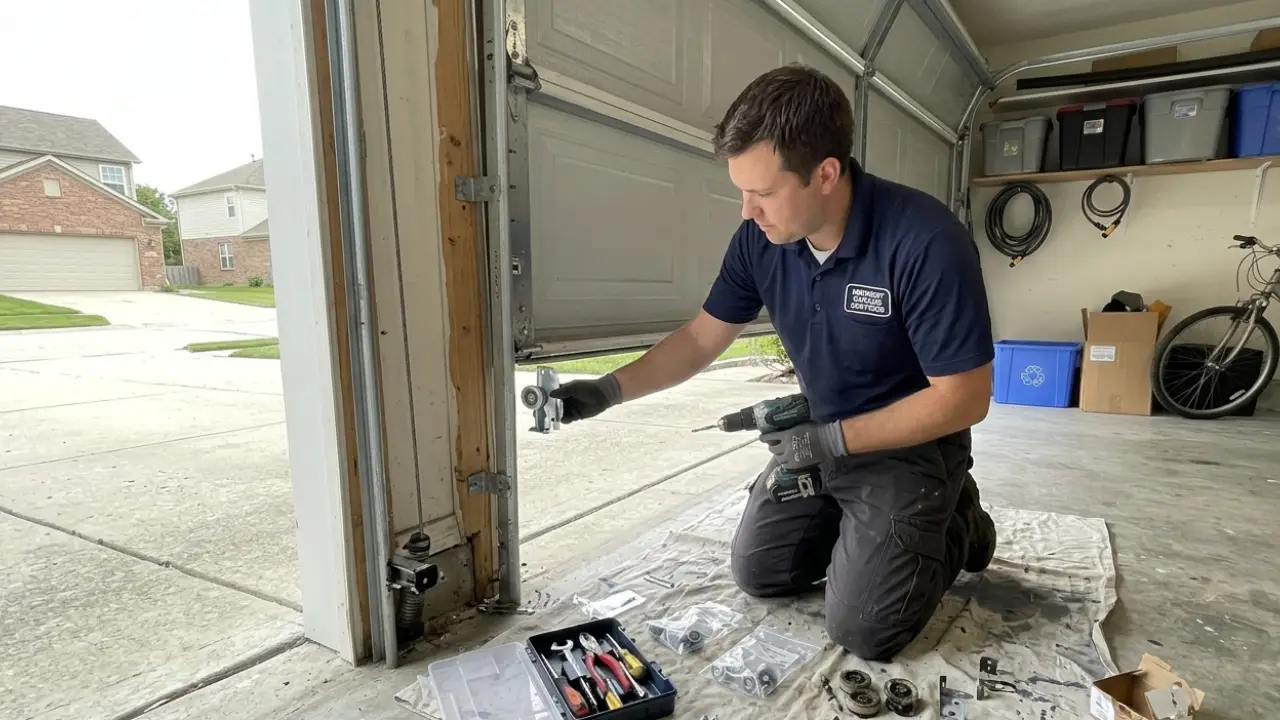
Garage Door Parts Service in Houston covers inspection, adjustment, and replacement of worn components that affect door movement and safety. US Garage Door Repair helps Houston, TX homeowners address spring, cable, roller, hinge, and track problems by checking the system, explaining the findings, and identifying suitable replacement parts.
A noisy garage door can be more than a morning nuisance. A worn roller, loose hinge, or damaged cable can change how the entire door moves. Finding the source helps avoid replacing a component that was never causing the trouble.
Does your door shake, lean, or stop halfway through opening? Those symptoms deserve a closer look before you keep pressing the remote. Our Garage Door Parts Service focuses on the components responsible for controlled, steady travel.
Call (346) 559-3972 or visit US Garage Door Repair to discuss your garage door concerns.
Garage door parts need to match the door’s weight, size, hardware, and operating system. A component that looks similar may have different dimensions or load requirements.
Springs support the door’s weight, while cables transfer lifting force. Rollers guide the sections through the tracks, and hinges let those sections bend during travel. The opener controls movement, but it should not compensate for a poorly balanced door.
We check how these components work together before recommending replacement. Installing a new part without addressing a bent track or binding hinge can leave the original problem unresolved.
A useful inspection looks beyond the loudest component. The squeak may get your attention, but the source could be friction elsewhere. Garage doors are not always polite enough to point at the problem.
Changes in movement, sound, or closing position can signal worn or damaged garage door hardware. You do not need to identify the exact component before calling.
Is the noise new, or has it grown over several weeks? Tell us when it started and whether it happens while opening, closing, or both. That information helps guide the inspection without asking you to operate an unsafe door.
Garage door springs counterbalance the door so it can move without placing excessive strain on the opener. A broken or incorrectly matched spring can make the door unusually heavy or prevent it from opening.
Torsion springs typically sit above the opening on a shaft. Extension springs run alongside the horizontal tracks on some systems. Both store force and require proper handling.
Spring service also involves checking related components. Bearings, shafts, drums, and mounting points can affect how the replacement spring works.
Do not loosen spring hardware or try to wind a torsion spring yourself. If you see a gap in a spring or the opener struggles after a loud bang, stop using the door and call for service.
Lift cables and drums help keep the door supported as it travels. Cable damage or improper seating can cause crooked movement and create a serious safety concern.
Cables may fray, corrode, lose tension, or slip from their grooves. Sometimes the cable is damaged directly. Sometimes it reacts to another fault, including a spring problem or an obstruction.
We look for the cause before addressing the cable itself. Putting a cable back in place without checking the drum, track, and spring system can leave the door unstable.
A hanging cable is not something to tuck aside and ignore. Keep people away from the opening, and do not pull, cut, or reconnect the cable. If the door is partly open, avoid walking or parking beneath it.
Rollers, hinges, and bearings allow the door’s moving sections to travel with less friction. Wear in these parts often creates rattling, squeaking, wobbling, or rough movement.
Rollers should turn properly and stay seated in the tracks. Cracked wheels, worn stems, and excessive play can affect movement. Replacement selection depends on the roller dimensions, door requirements, and track arrangement.
Hinges connect the sections and support roller positions. A cracked hinge or damaged mounting area may allow a section to shift. Tightening a screw will not solve a split hinge or weakened attachment point.
Bearings support rotating shafts and related hardware. A grinding sound near the spring assembly may require inspection there rather than at the rollers.
We separate normal operating sound from signs of wear. A garage door does not need to be silent, but new scraping and shaking should not become part of the daily routine.
Tracks and support brackets guide the door along its intended path. Bent metal, loose supports, or poor alignment can make the rollers bind or cause sections to move unevenly.
A small vehicle bump can affect more than the visible dent. Track spacing, bracket position, and roller movement may change even when the door still opens.
We inspect the mounting points and track condition before recommending adjustment or replacement. Damage at the door section or wall attachment may also need attention.
Do not hammer a track while the door is moving or try to push a roller back into place. Some brackets connect to tensioned components, especially near the bottom of the door. Leave those connections untouched.
Weather seals and opener components solve different problems, so they need their own inspection. Replacing a bottom seal will not correct a crooked door, and replacing an opener gear will not resolve a broken spring.
Bottom seals can become brittle, torn, or compressed. Replacement requires checking the retainer shape and how the closed door meets the floor. An uneven slab can leave gaps that a new seal alone cannot close.
Opener-related concerns may involve drive components, photo eyes, wiring, or controls. A door that reverses may have an obstruction, a sensor problem, or mechanical resistance.
Never increase opener force settings to push through a binding door. We first separate door hardware problems from opener problems, then discuss the appropriate next step. That keeps the recommendation focused on the cause rather than the symptom.
Daily movement, moisture, debris, and impacts can gradually wear garage door parts. Several small issues may combine before the door shows an obvious problem.
Repeated opening and closing places stress on springs, hinges, and rollers. Loose fasteners can allow movement at mounting points, while grit can interfere with moving hardware.
Poor lubrication can increase friction where the manufacturer calls for it. Applying the wrong product, or coating the tracks with grease, can also collect dirt and create trouble.
Houston humidity can contribute to corrosion on exposed metal. Wind-driven rain and water near the opening may affect lower hardware and seals.
The goal is to identify what damaged the component. A replacement should address the wear pattern where possible, not simply hide it until the next noisy morning.
Our Garage Door Parts Service in Houston starts with your description and a physical inspection of the door system. We check the affected area and related hardware before discussing the work.
You can ask to see the damaged component or have the issue explained in plain language. Understanding what failed makes it easier to recognize changes later.
A part should be replaced when its condition or function calls for it, not simply because another component failed. Some problems need adjustment, while others involve damage that adjustment cannot correct.
A cracked roller wheel needs different treatment from debris near a track. A frayed cable should not be treated like a harmless squeak. We explain those differences before recommending work.
Related parts may also show wear. On a paired spring system, the condition of both springs matters because they have often experienced similar use.
Replacement hardware should fit the existing system correctly. Door width alone does not identify the right spring, cable, hinge, or seal. Model information can help, but physical measurements and inspection may still be necessary.
The time needed for garage door parts work depends on the fault, the door’s condition, and access to suitable components. A clear diagnosis helps establish the next steps.
Straightforward replacement differs from work involving bent tracks, damaged sections, or several worn components. Corroded fasteners and previous modifications can also require extra attention.
Some doors use hardware that needs closer identification before replacement. Photos and model labels can help with planning, but they do not replace an onsite check.
We can discuss expected timing after reviewing the problem and available parts. Avoid planning around an assumed completion time before the door has been assessed.
A crooked, unsupported, or visibly damaged garage door should stay out of use until it can be inspected. Repeated operation can worsen damage or expose people to falling components.
If a vehicle is trapped inside, let us know. Do not attempt to force the door upward to save a few minutes.
Preparing the garage helps provide access to the hardware for a parts inspection without requiring you to handle damaged parts. Only move items when you can do so safely.
Can you take a photo from a safe distance? A picture of the full door and visible damage may help explain the concern. Do not climb or remove covers to get it.
Routine visual checks can help you spot wear before the door becomes difficult to use. Homeowner care should stay limited to safe, accessible tasks.
After service, ask which components need lubrication and which product suits your hardware. Follow the door and opener manufacturers’ care instructions, including their guidance for safety testing.
Keep the opening clear of leaves, debris, and stored objects. Check weather seals for tears and watch for loose-looking hinges, uneven cable positions, or fresh scrape marks.
Do not grease the tracks unless the manufacturer specifically calls for it. Track surfaces generally need to stay clean rather than collect a thick coating.
Pay attention to changes instead of waiting for a complete failure. New vibration, slower movement, or repeated reversing deserves another look.
Houston’s humidity, rain, and frequent garage use can affect exposed hardware and weather seals. The effect depends on the garage, drainage, ventilation, and condition of the components.
Metal near a damp opening may develop corrosion, while grit tracked into the garage can collect near moving parts. Seal damage may become obvious during heavy rain, even if the door closes normally.
Across Houston, Texas, garages often serve as the main household entrance. More use creates more opportunities to notice changes in sound and movement during hardware checks.
After severe weather, inspect from a safe distance for bent tracks, impact damage, or debris. If the door looks displaced, do not operate it to see whether the problem clears.
Garage Door Parts Service in Houston helps address worn components before continued operation causes more trouble. US Garage Door Repair checks the system, explains the findings, and recommends work based on the door’s condition.
You do not need to know the name of the damaged part. Tell us what the door does, what sounds different, and whether you can safely access the garage.
For spring, cable, roller, hinge, track, or related hardware concerns in Houston, TX, call (346) 559-3972. You can also contact us at US Garage Door Repair to discuss your next step.
It involves addressing worn or damaged components that affect garage door operation. US Garage Door Repair provides this service.
Springs, cables, rollers, hinges, and tracks are common components that may need attention.
Unusual noises, uneven movement, or difficulty opening and closing may indicate a component issue.
Not necessarily. The appropriate approach depends on the affected part and the overall condition of the door.
Some components are under tension and can be hazardous to handle. Professional assistance is advisable for these parts.
Compatibility varies by door design and manufacturer. Parts should be selected to match the existing system.
Avoid operating a door that appears damaged or moves unpredictably until the issue has been assessed.
Routine maintenance may help identify wear and support proper operation, though parts can still require repair or replacement.
Describe the operating issue and any visible damage. Basic information about the door may also be helpful.
Contact US Garage Door Repair to discuss the issue and ask about arranging service.
Welcome to WordPress. This is your first post. Edit or delete it, then start writing!